AI Article

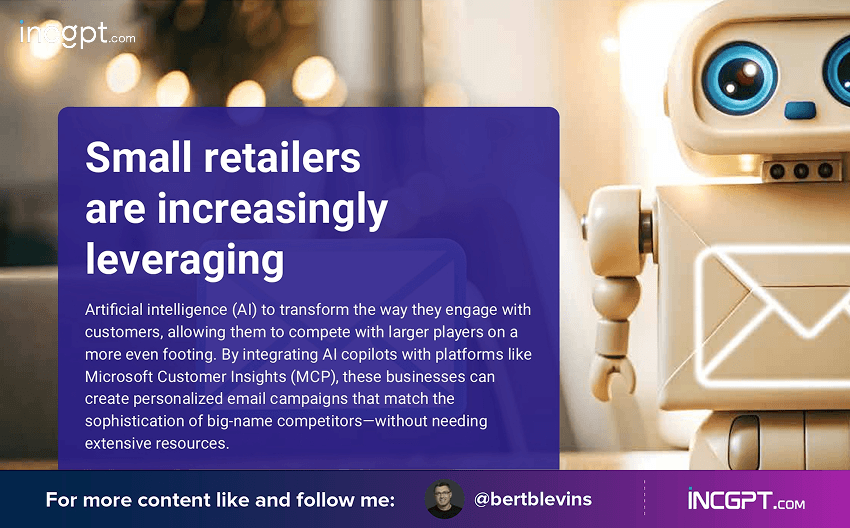
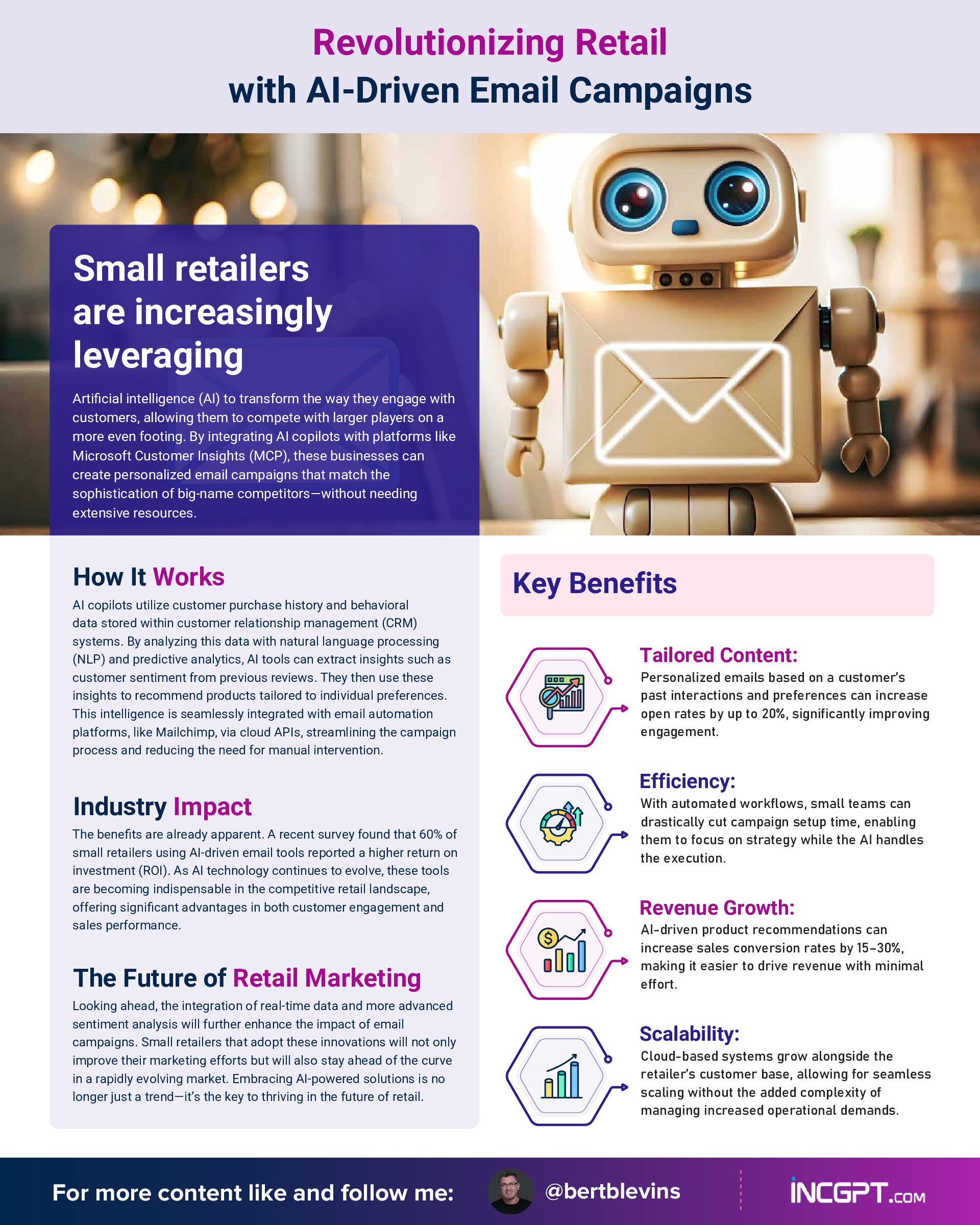
Revolutionizing Retail with AI-Driven Email Campaigns

Revolutionizing Retail with AI-Driven Email Campaigns
Download Full Article PDF
Get the complete guide in PDF format for offline reading.

On This Page

Published
PDF

Available

Video

Available

Share This Article
Related Articles
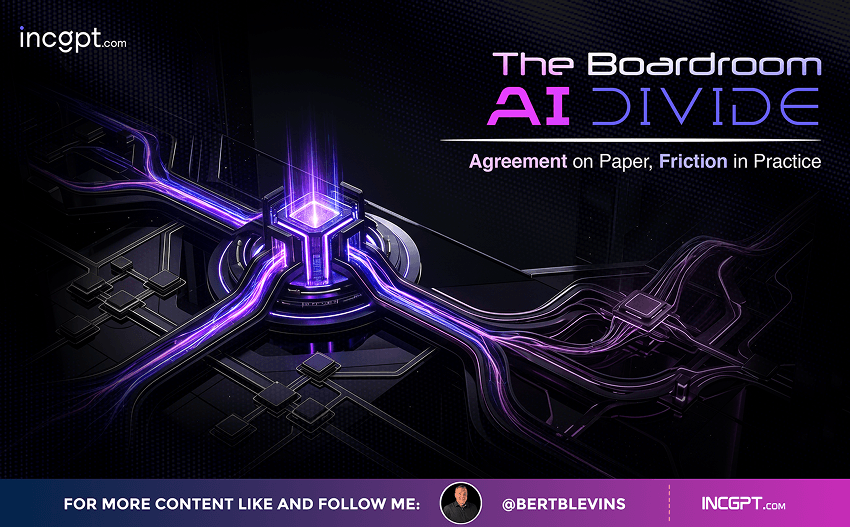
The Boardroom AI Divide: Agreement on Paper, Friction in Practice Why chief executives and their directors keep clashing over the speed, ownership, and payoff of artificial intelligence
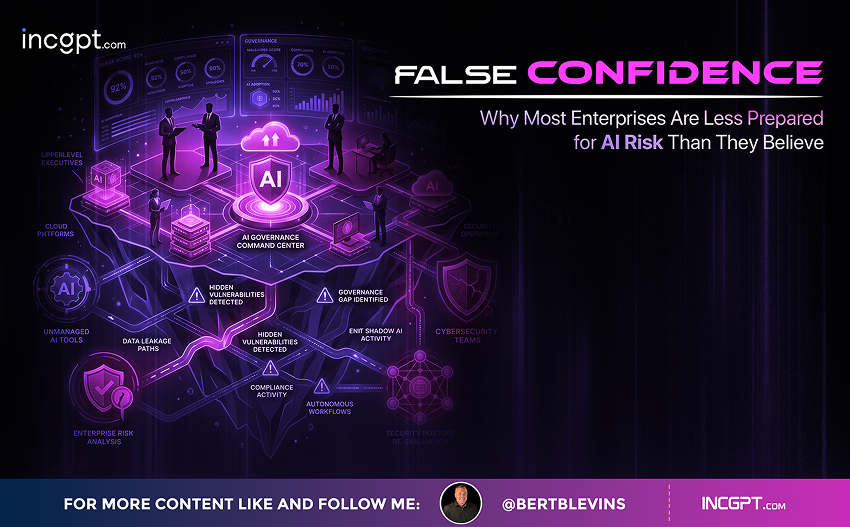
Across industries, enterprise leaders are expressing growing confidence in their ability to govern artificial intelligence. Surveys show that a majority of decision-makers believe their organizations have adequate controls in place, that they would detect a misbehaving AI model quickly, and that their governance frameworks are keeping pace with deployment. But a closer look at how these same organizations are actually structured reveals a very different picture. What many enterprises have built is not a governance strategy. It is an illusion of one.
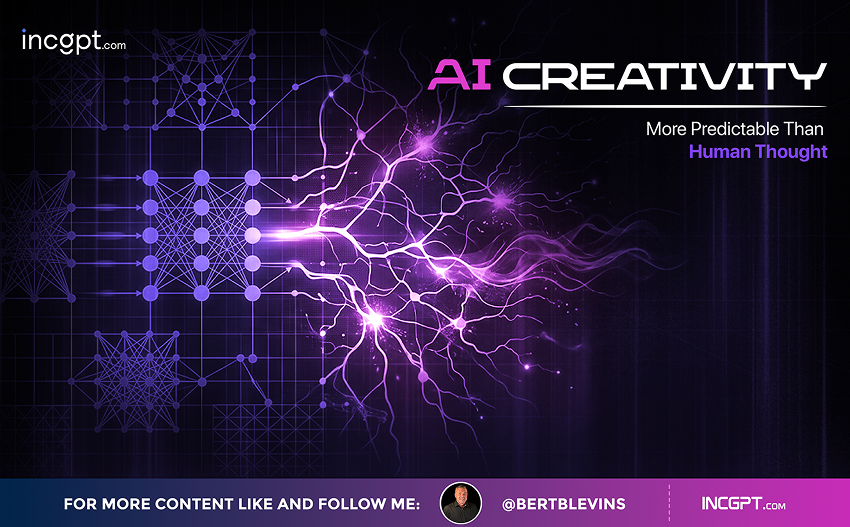
The world of artificial intelligence (AI) has made tremendous advancements in recent years, especially with the advent of Large Language Models (LLMs) such as Gemini, GPT, and Llama. These models have been heralded for their ability to produce highly creative outputs that mimic human-like thought processes. However, a new study reveals a surprising limitation: while LLMs can generate seemingly creative ideas, their outputs are often more predictable and less diverse than human thought. This paradox of AI creativity is reshaping how we view the potential of AI in fields that demand originality and innovation, such as art, problem-solving, and brainstorming.

© 2026 BertBlevins.com · All Rights Reserved