AI Article

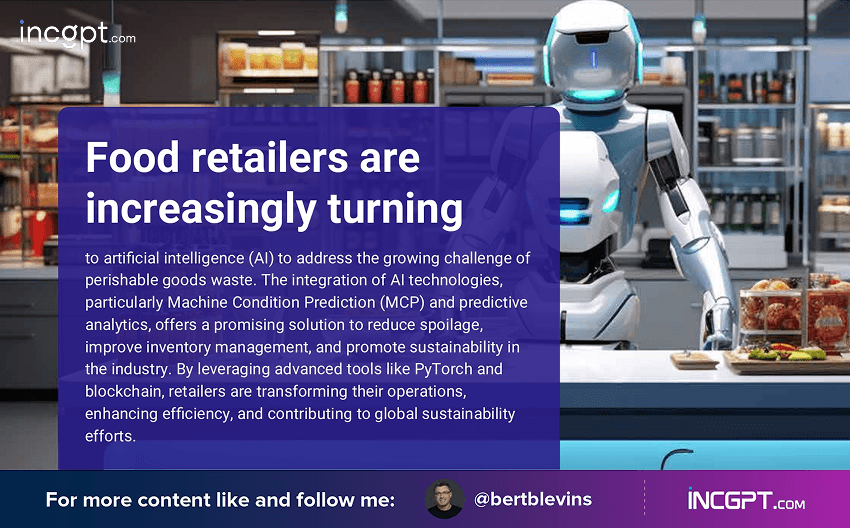
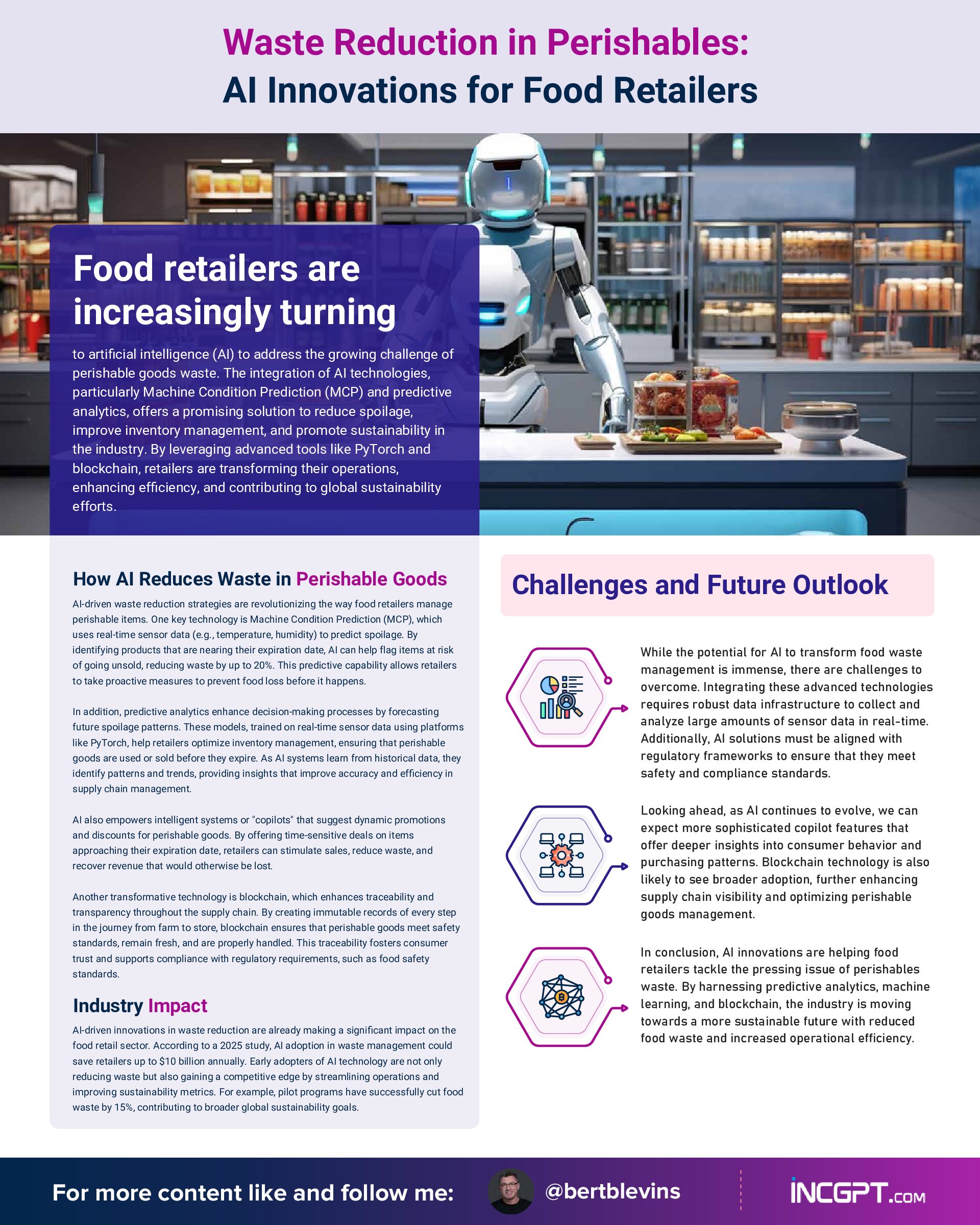
Waste Reduction in Perishables – AI Innovations for Food Retailers

Waste Reduction in Perishables – AI Innovations for Food Retailers
Download Full Article PDF
Get the complete guide in PDF format for offline reading.

On This Page

Published
PDF

Available

Video

Available

Share This Article
Related Articles
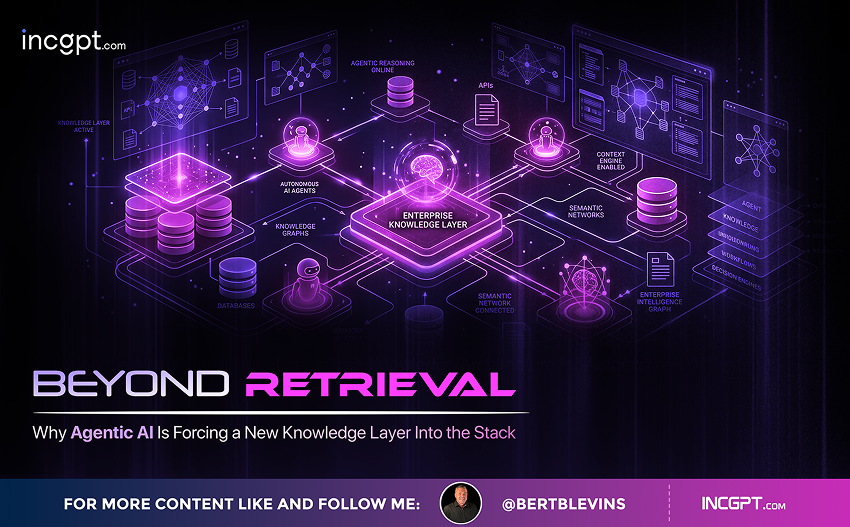
Pinecone’s Nexus launch signals a deeper architectural shift — agents are not better users of RAG, they are a different species of consumer that demands knowledge to be compiled, not searched.
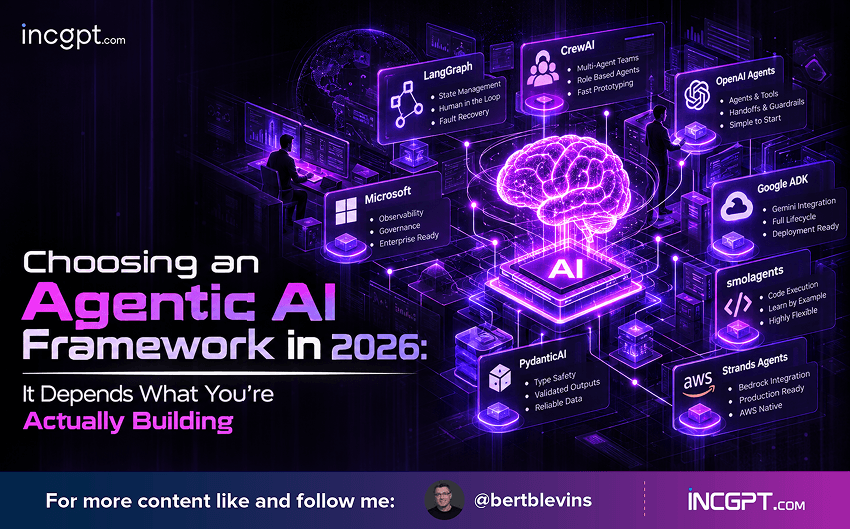
Ask five developers which agentic AI framework to use in 2026 and you’ll get five different answers, and honestly, all five might be right. The field has moved past the point where one tool tries to be everything to everyone. What’s emerged instead is a set of frameworks that each optimize for a different pressure: some for control, some for speed of prototyping, some for type safety, some for a specific cloud ecosystem. The smarter question isn’t “which framework is best” — it’s “what does my project actually need to get right.”

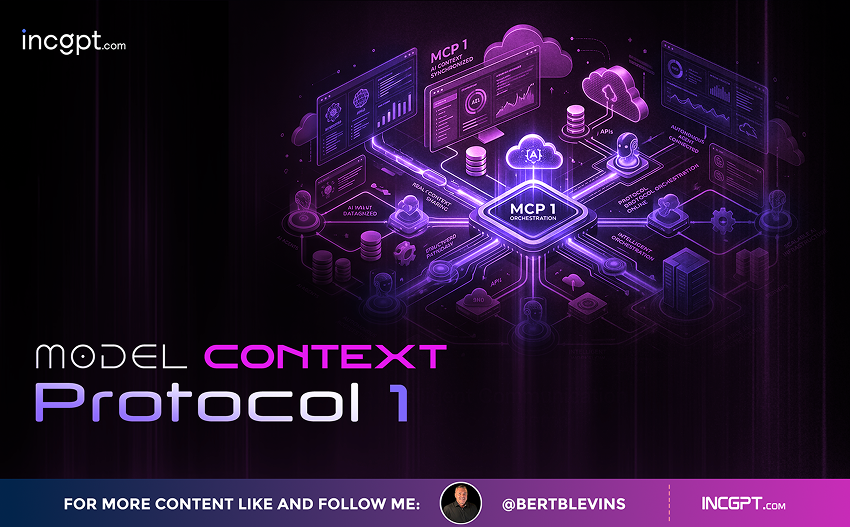
The Model Context Protocol (MCP) serves as an innovative solution to simplify the complex process of integrating multiple AI models with a variety of tools. It doesn’t replace APIs but rather enhances the integration process by providing a standardized approach. Instead of managing individual custom integrations for each model and tool combination (the N x M situation), MCP reduces it to a simpler N + M model, where:
For several years, the artificial intelligence industry has chased a single goal with almost religious focus: build the biggest, smartest, most capable model possible. Every release was measured against the last on raw horsepower. A new system from Sakana AI quietly challenges that whole premise. It suggests the next race in AI may not be about who builds the best model at all, but about who builds the best system for managing many models at once.
© 2026 BertBlevins.com · All Rights Reserved