AI Article

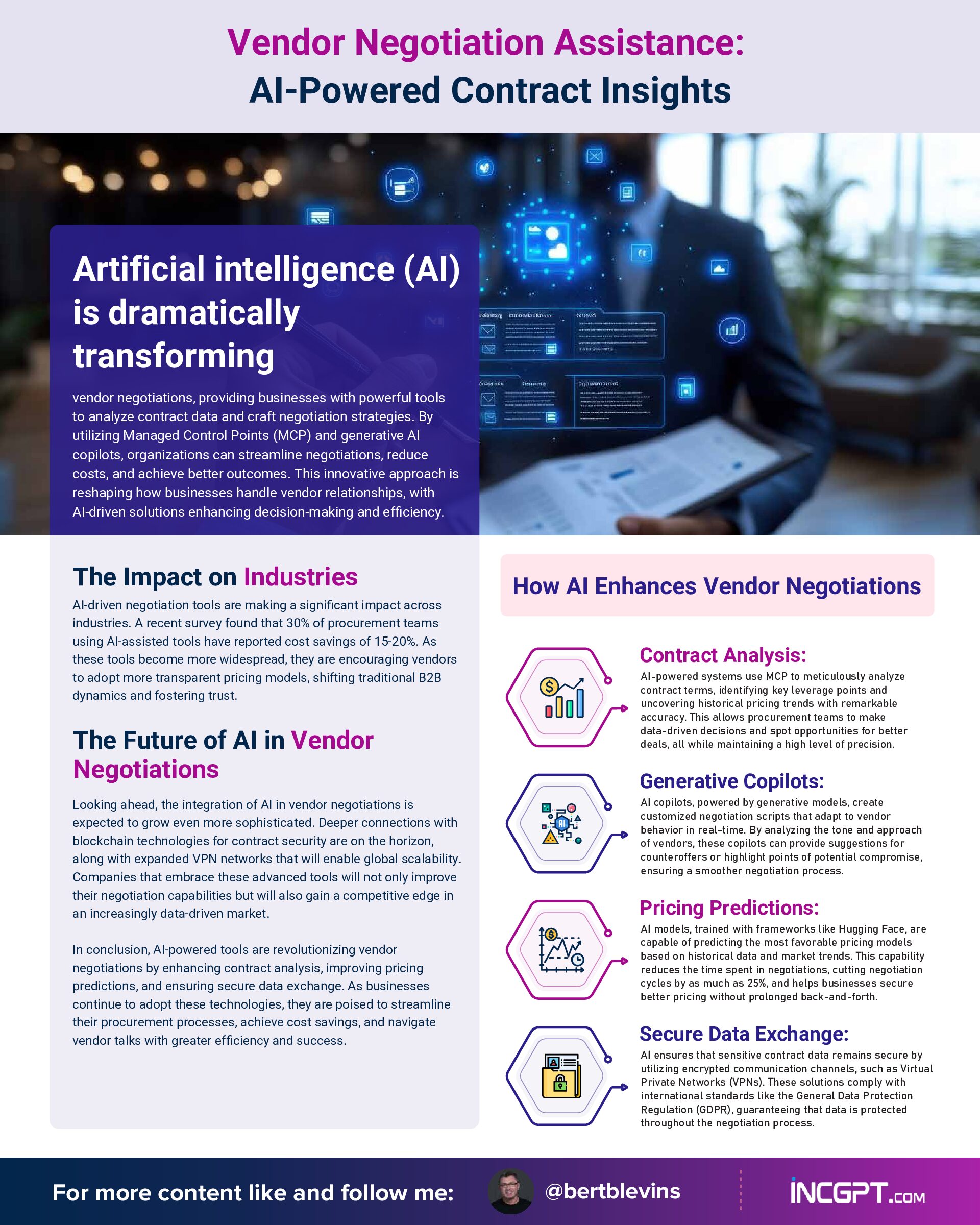
Vendor Negotiation Assistance – AI-Powered Contract Insights

Vendor Negotiation Assistance – AI-Powered Contract Insights
Download Full Article PDF
Get the complete guide in PDF format for offline reading.

On This Page

Published
PDF

Available

Video

Available

Share This Article
Related Articles
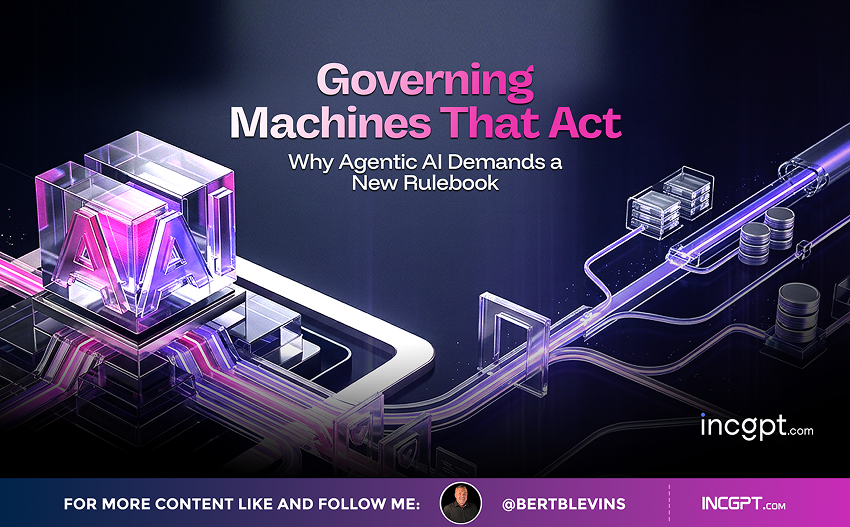
Almost every AI governance framework running in production today was built for a world that is quietly slipping away. Those frameworks were designed for predictive models, the kind of systems that score a loan application, classify an image, rank a feed, or recommend a next step. In that world the model produces an output, and a human or a deterministic piece of software decides what to do with it. Governance had a natural checkpoint. You validated the model, approved its behavior, documented its limits, signed it off, and the human stayed in the loop.

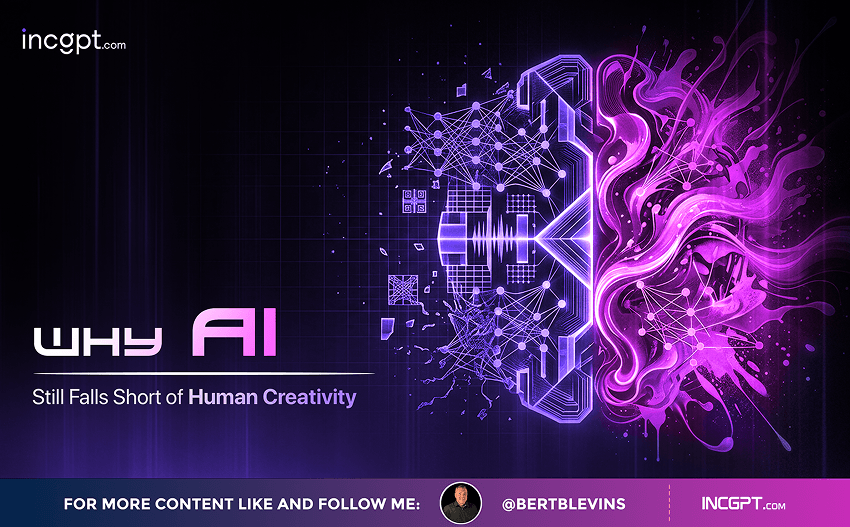
A new study suggests that artificial intelligence may be powerful at generating images, but it still struggles to match the originality of human creativity. While AI can produce impressive visuals, its creative ability appears to depend heavily on human guidance rather than independent imagination.
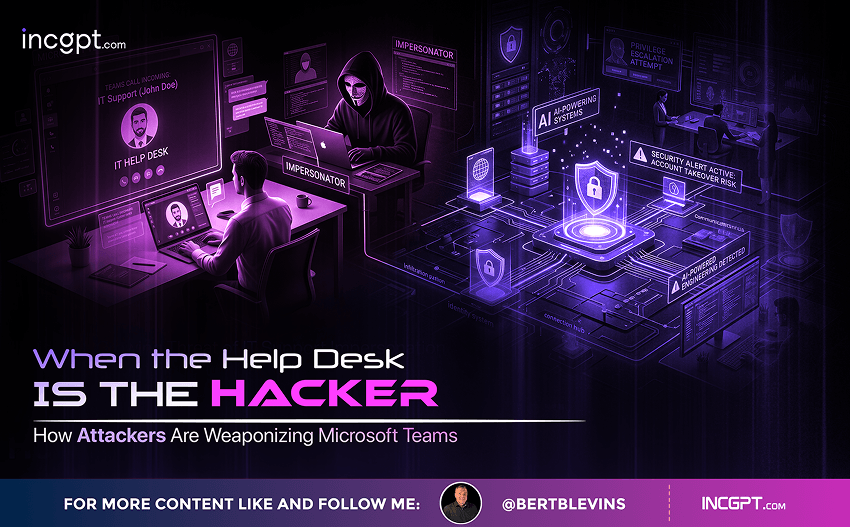
For years, cybersecurity training has taught employees to scrutinize emails for phishing attempts. Look for bad grammar. Check the sender address. Do not click suspicious links. Most workers have internalized these habits, and organizations have built layers of technical defenses around email as a result. Attackers have noticed, and they are adapting. The latest wave of social engineering attacks bypasses email entirely, targeting employees through a channel they trust implicitly: Microsoft Teams.
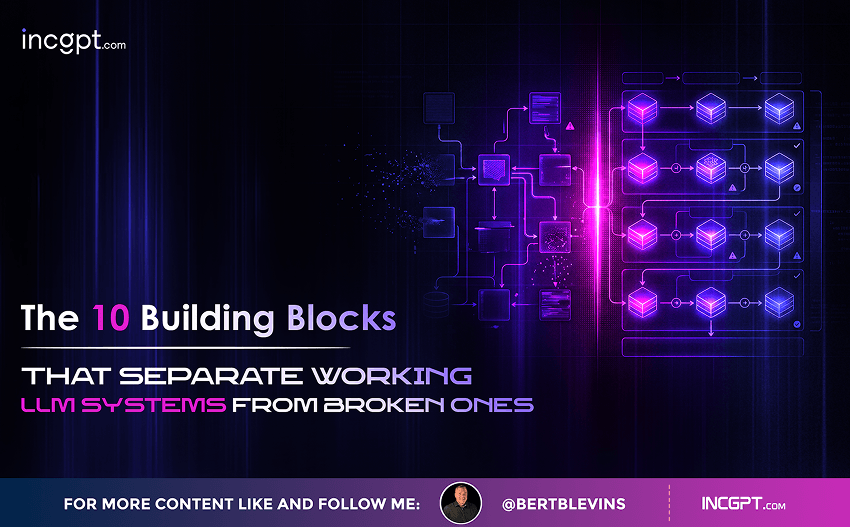
If you want to understand why some AI applications feel polished and reliable while others fall apart the moment you push them beyond a demo, the answer almost never lies in the prompt. The real difference is architectural. Modern LLM applications are not simply a question and a response. They are layered systems that manage context windows, orchestrate external tools, retrieve live data, and coordinate multi-step workflows behind every interaction. The engineers building these systems spend far more time on plumbing than on prose. Here are ten foundational concepts that define how serious LLM systems are actually constructed — and why each one matters.
© 2026 BertBlevins.com · All Rights Reserved