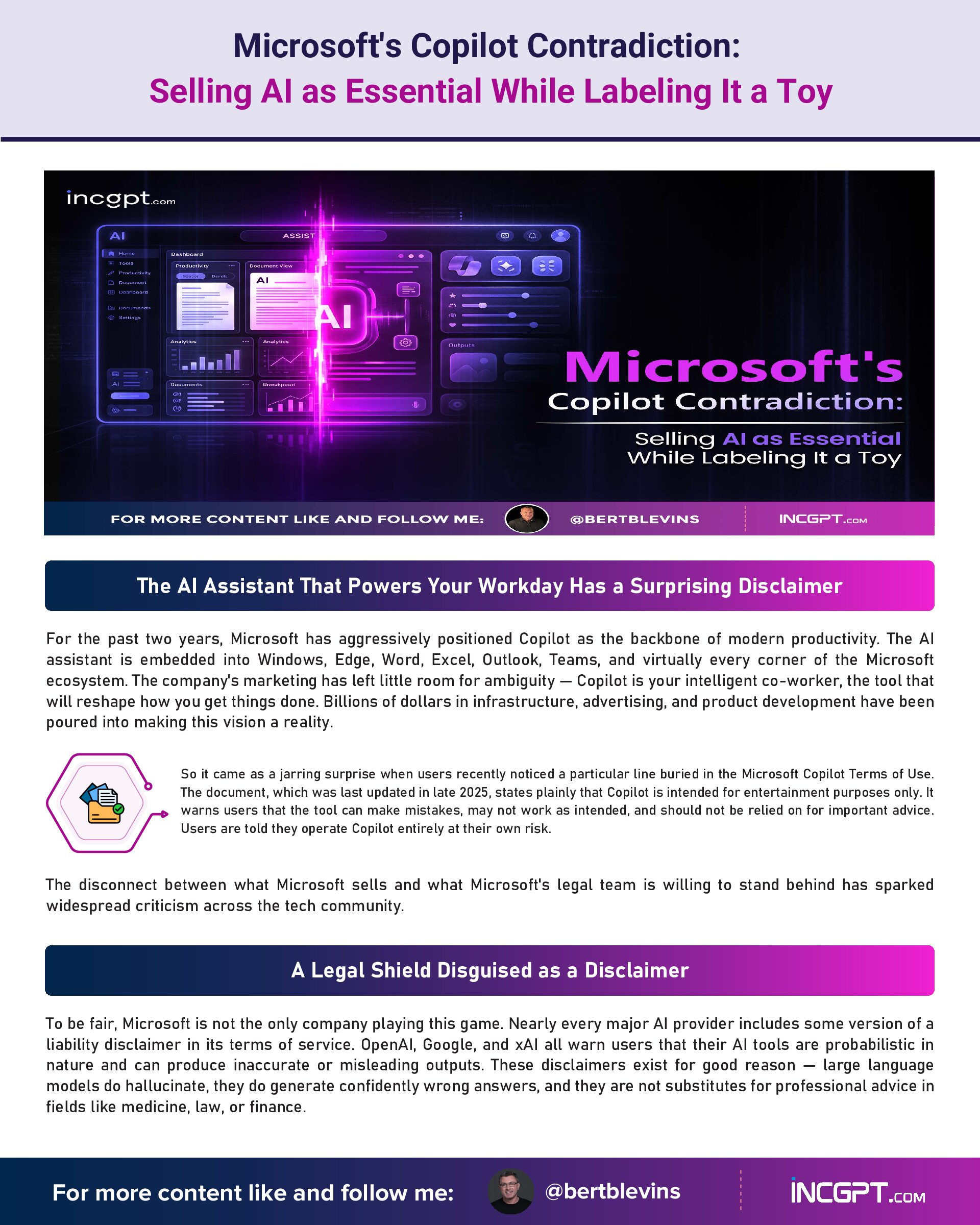
Microsoft’s Copilot AI Struggles to Compete in the AI Market, Falling Behind Key Competitors
Microsoft’s Copilot AI has struggled to gain significant traction in the highly competitive artificial intelligence (AI) market, with its market share lagging far behind industry leaders like ChatGPT, Google’s Gemini, and other emerging players. According to recent data from analytics company SimilarWeb, Copilot commands just 1.1% of the market share for web traffic, a relatively small figure compared to its more successful counterparts.
In the broader landscape of AI assistants, ChatGPT continues to dominate with a commanding 64.5% share of the market. Google’s Gemini, which has experienced rapid growth in recent months, follows with a 21.5% market share. This shift in dominance marks a notable contrast to the situation one year ago when ChatGPT held an overwhelming 86.7% share, while Gemini accounted for just 5.7%. The significant rise of Gemini indicates that Google’s AI initiative is gaining substantial momentum and could potentially challenge the market leader in the near future.
At the same time, Microsoft’s Copilot has seen a decline in its market share. Last year, Copilot held 1.5% of the market, but recent data shows it has dropped to 1.1%. This decrease signals that Copilot, despite its integration into Microsoft’s broader product ecosystem, has not been able to maintain its position or expand its user base as effectively as its competitors.
In addition to the dominance of ChatGPT and Gemini, other AI assistants are gaining ground. Elon Musk’s Grok AI, which is integrated into X (formerly Twitter), holds a market share of 3.4%. Grok’s increasing market share suggests that Musk’s influence in the tech industry, especially through his social media platform, is starting to translate into adoption of his AI technology. Similarly, Claude, developed by Anthropic, and Perplexity AI both hold 2% of the market share each, further pushing Microsoft’s Copilot into a relatively minor position.
However, it is important to note that these figures primarily reflect web traffic and do not account for Copilot’s usage on Microsoft’s Windows 11 operating system. While it’s unclear how successful Copilot is in this environment, Microsoft has not disclosed specific user data regarding its AI assistant’s popularity or adoption within its operating system. Despite this, the general perception among users and the broader tech community suggests that Copilot’s reach is limited, and it hasn’t achieved the widespread adoption that Microsoft may have hoped for.
Challenges for Copilot and Microsoft’s AI Strategy
One of the key challenges for Microsoft’s Copilot lies in its positioning within the market. Unlike standalone AI platforms like ChatGPT or Gemini, which are focused on broad, generalized applications, Copilot is designed as a productivity-enhancing tool integrated into Microsoft’s suite of products, including Word, Excel, and Outlook. While this integration is beneficial for certain users, it may not offer the same level of appeal to those seeking versatile, standalone AI solutions that can be applied across a wider range of tasks. For many users, ChatGPT’s more flexible, conversational AI experience may be more attractive than Copilot’s more narrowly focused features.
Another possible factor contributing to Copilot’s struggles is the highly competitive nature of the AI market. As AI assistants become more sophisticated and integrated into a variety of platforms, companies are racing to offer users the most advanced, intuitive tools. In this context, Copilot’s slow growth and declining market share reflect the broader difficulty Microsoft faces in the AI space. While the company has a strong presence in enterprise software and cloud services, its AI strategy has not yet translated into the same kind of consumer-driven growth seen with ChatGPT and Google’s offerings.
Potential for Growth and Opportunities Ahead
Despite its challenges, there are still potential opportunities for Copilot to regain relevance in the AI market. Microsoft’s deep integration of AI across its suite of products, coupled with its strong position in enterprise solutions, could offer Copilot a unique avenue for growth. By focusing on enhancing its capabilities within productivity tools, Microsoft could carve out a niche for Copilot in the professional sector, where businesses may prioritize AI assistants that are deeply embedded in their existing workflows and platforms.
Additionally, Microsoft’s recent partnerships with OpenAI, the creators of ChatGPT, may open up new possibilities for Copilot’s evolution. As the relationship between Microsoft and OpenAI deepens, it’s possible that Copilot could incorporate more advanced features and benefit from the latest developments in AI, which could help it catch up with competitors in terms of performance and appeal.
Looking Forward: The Future of Copilot and the AI Market
The landscape of AI is shifting rapidly, and it remains to be seen how Microsoft will adapt to the changing dynamics. Copilot’s relatively low market share in comparison to dominant players like ChatGPT and Google’s Gemini underscores the challenges Microsoft faces as it competes for user attention and adoption in a crowded market. However, with strategic improvements, greater user engagement, and innovative features, there is still potential for Copilot to make significant strides in the coming years.
For now, Copilot’s position as an AI assistant remains modest, and it’s clear that Microsoft must continue refining its AI offerings and exploring new strategies to increase its appeal and reach in the competitive AI space. With user sentiment suggesting limited adoption and its struggles to differentiate itself from other AI assistants, Microsoft’s Copilot faces an uphill battle to become a major player in the AI market.