AI INSIGHTS

Explore Expert
AI Articles & Insights

Explore expert insights, practical guides, emerging trends, and thoughtful perspectives on artificial intelligence and technology.
AI
INSIGHTS
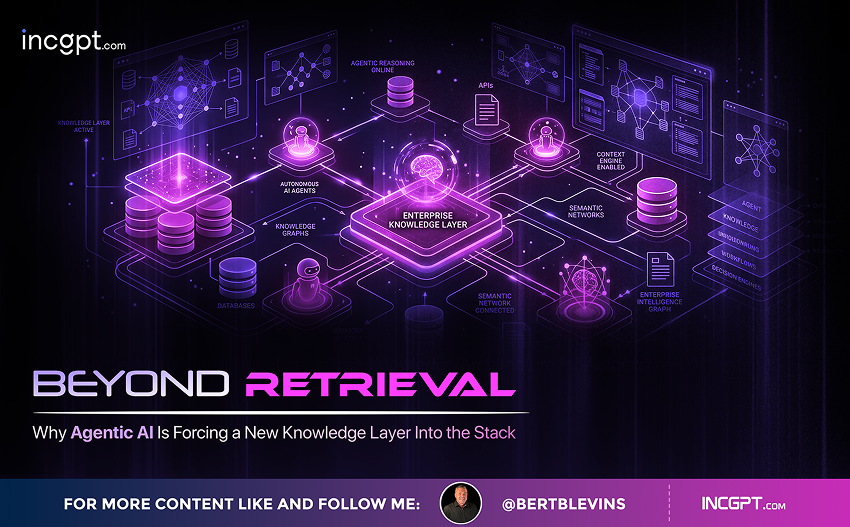
Pinecone’s Nexus launch signals a deeper architectural shift — agents are not better users of RAG, they are a different species of consumer that demands knowledge to be compiled, not searched.
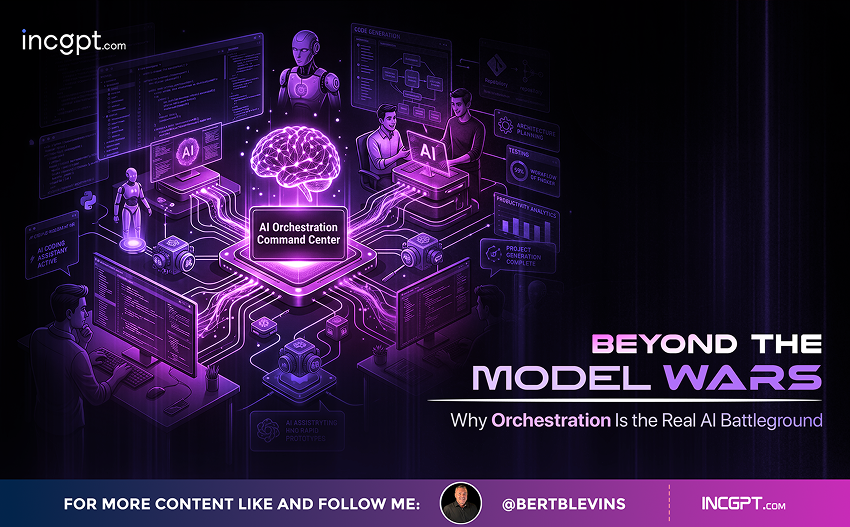
Every time a new AI model drops, the same script plays out. Benchmarks get compared, social media erupts, and the industry collectively asks the same question: which model is smarter? Which is faster? Which is most powerful? It’s an entertaining horse race — but it’s also the wrong race.
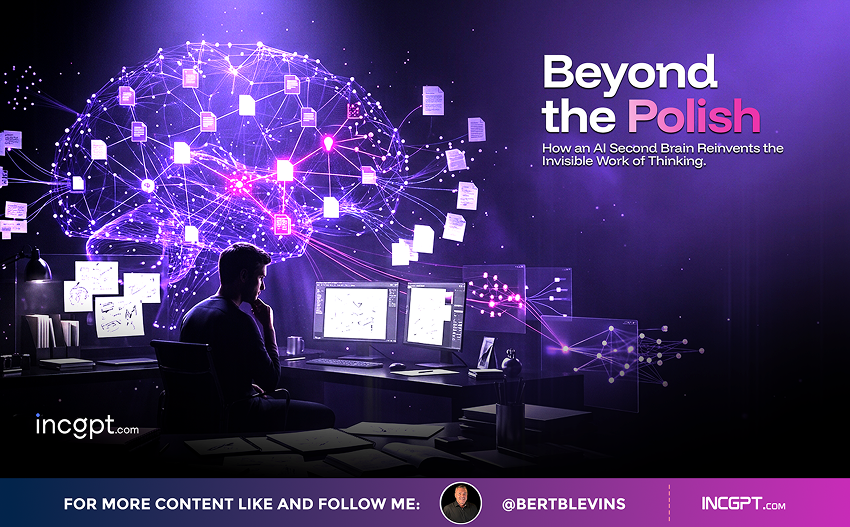
Most organizations have badly underestimated what today’s AI tools can do. Not because the technology is weak, but because they are pointing it at the wrong part of the job. They treat AI as a finishing tool, a way to tidy up emails and documents at the very end of a task. Used that way, even the most capable model can only ever nibble at the edges of how work actually gets done. The real transformation is happening somewhere else entirely, and millions of knowledge workers have already found it.
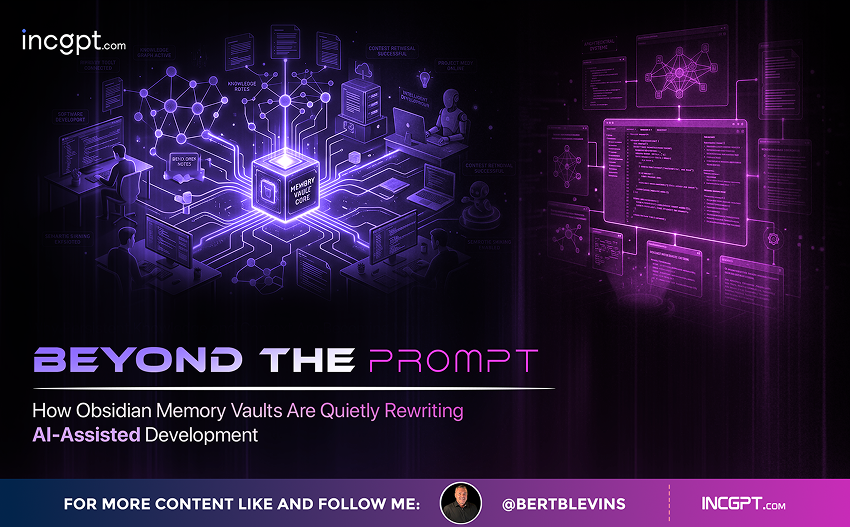
Coding agents are powerful, but forgetful. A growing class of structured memory tools is giving them a place to remember — and changing how engineers ship software in the process.
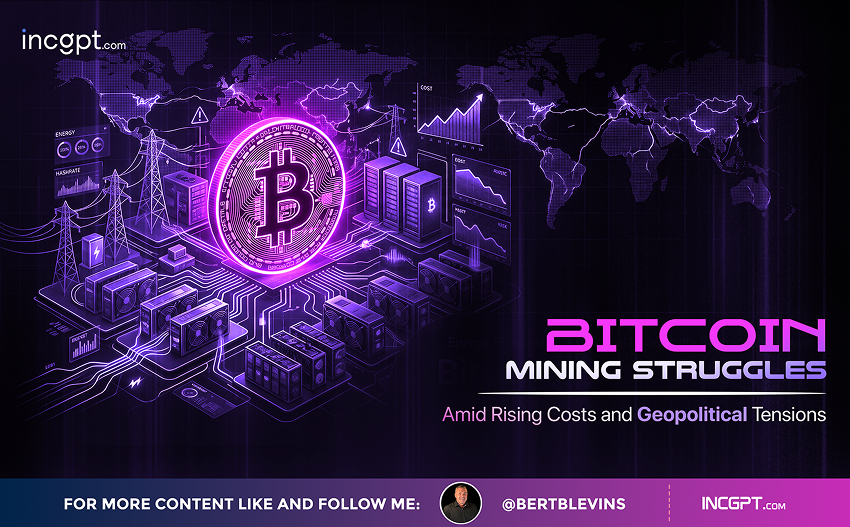
Bitcoin mining, once seen as a highly profitable endeavor, is now facing unprecedented challenges as miners are operating at a significant loss. With production costs surging and market prices dropping, the economics of mining are becoming increasingly unviable. In mid-March, production costs for a single Bitcoin were pegged at around $88,000, while the market price hovered around $69,200, creating a loss gap of nearly $19,000 per coin.

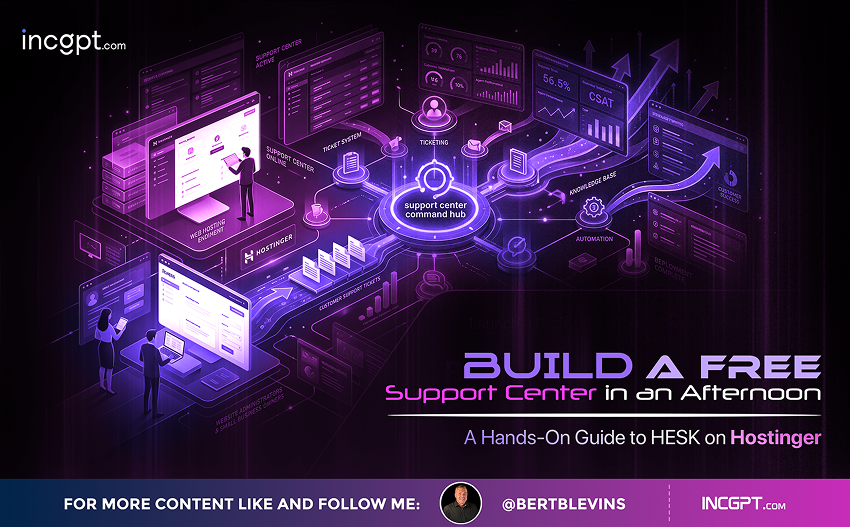
Open-source ticketing software has matured to the point where any small business or solo operator can run a professional help desk without paying a recurring SaaS fee. Here is how to set one up from scratch.
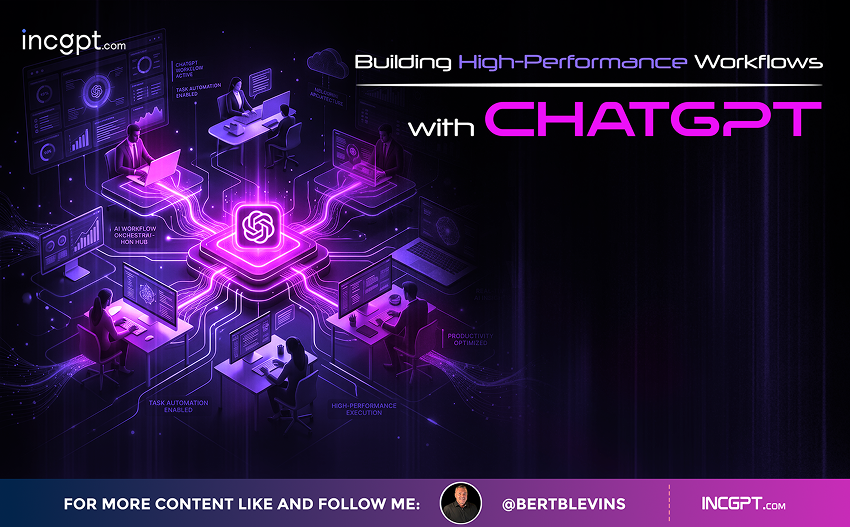
How Prompts, Reasoning Frameworks, and AI Agents Are Redefining Modern Work
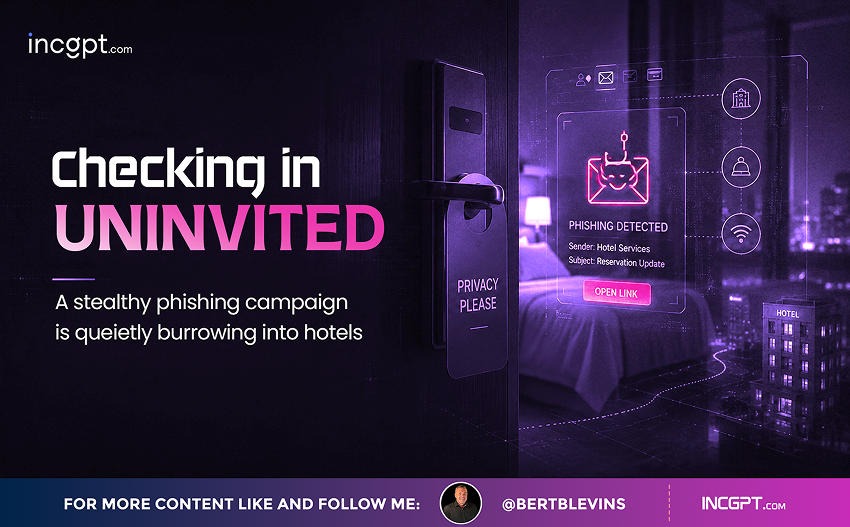
Someone is working hard to get a foothold inside hotels and hospitality companies across Europe and Asia, and the unsettling part is that no one yet knows exactly why. The activity has the look of careful groundwork rather than a smash-and-grab, which is precisely what makes it worth paying attention to.
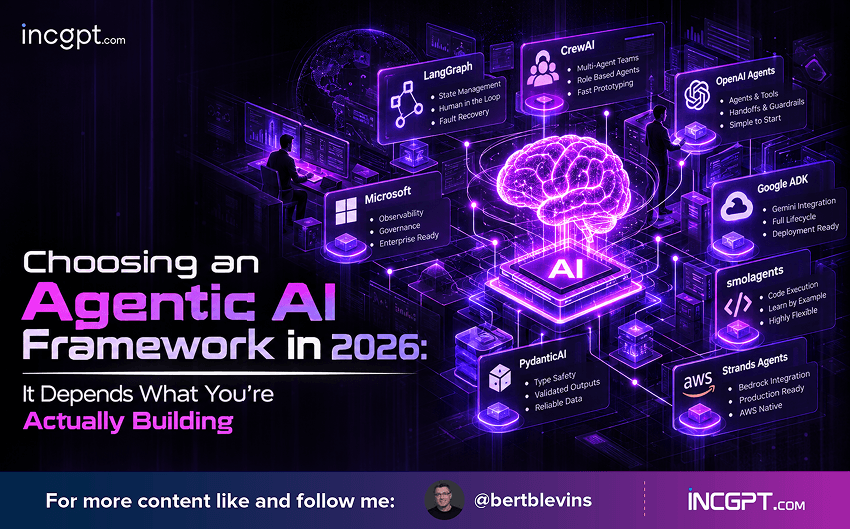
Ask five developers which agentic AI framework to use in 2026 and you’ll get five different answers, and honestly, all five might be right. The field has moved past the point where one tool tries to be everything to everyone. What’s emerged instead is a set of frameworks that each optimize for a different pressure: some for control, some for speed of prototyping, some for type safety, some for a specific cloud ecosystem. The smarter question isn’t “which framework is best” — it’s “what does my project actually need to get right.”
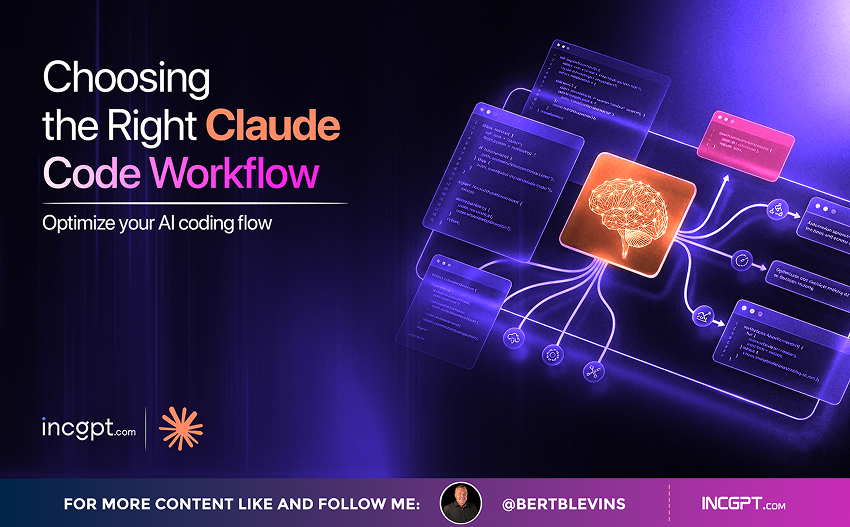
Claude Code has quickly become one of the most flexible agentic coding tools available to developers, offering a variety of ways to structure how tasks are handled. Rather than forcing users into a single rigid approach, the platform provides several distinct workflow patterns that can be matched to the job at hand. Whether you need to walk through a simple step-by-step task or orchestrate multiple autonomous agents working in parallel, picking the right workflow makes a measurable difference in speed, accuracy, and overall productivity. This guide breaks down the five main workflow patterns Claude Code supports and explains when each one shines.
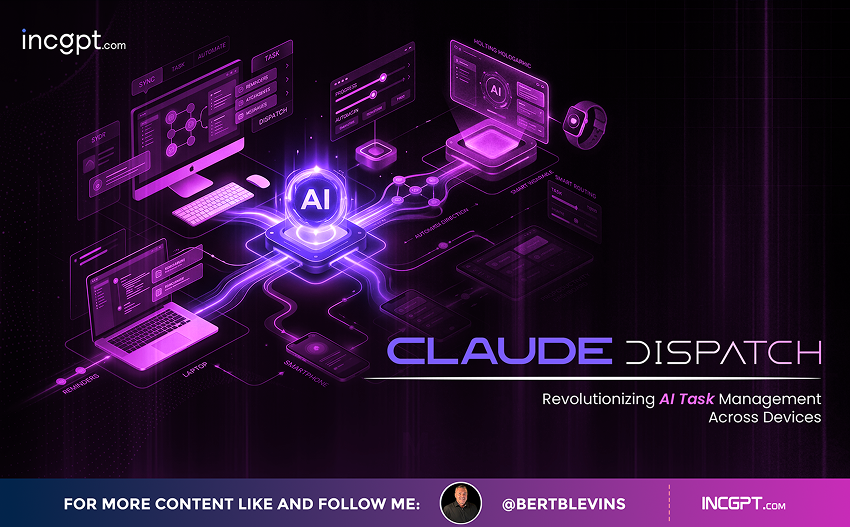
In the world of AI-driven task management, Claude Dispatch has emerged as a powerful tool that seamlessly integrates mobile devices with desktop systems, allowing users to manage AI workflows securely and efficiently. This innovative feature from Anthropic enables users to execute complex AI-driven tasks remotely, using the portability of their mobile devices while leveraging the computational power of desktop systems. It simplifies everything from email automation to creative content generation, making AI more accessible and effective in everyday workflows.
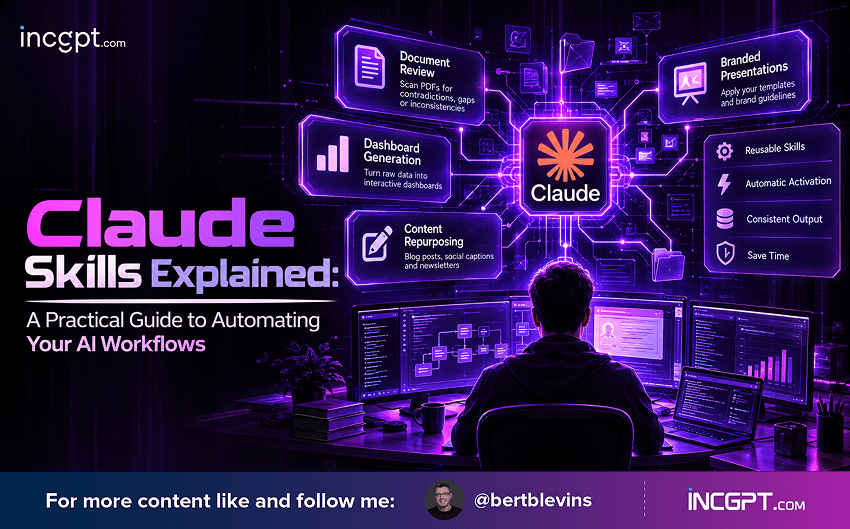
If you use Claude regularly, you’ve probably found yourself typing the same kind of instructions over and over. Maybe it’s a formatting request, a tone guideline, or a multi-step process you always follow when building a report. Skills solve that problem. They let you package a set of instructions once and have Claude apply them automatically whenever they’re relevant, without you needing to re-explain your process every single time.
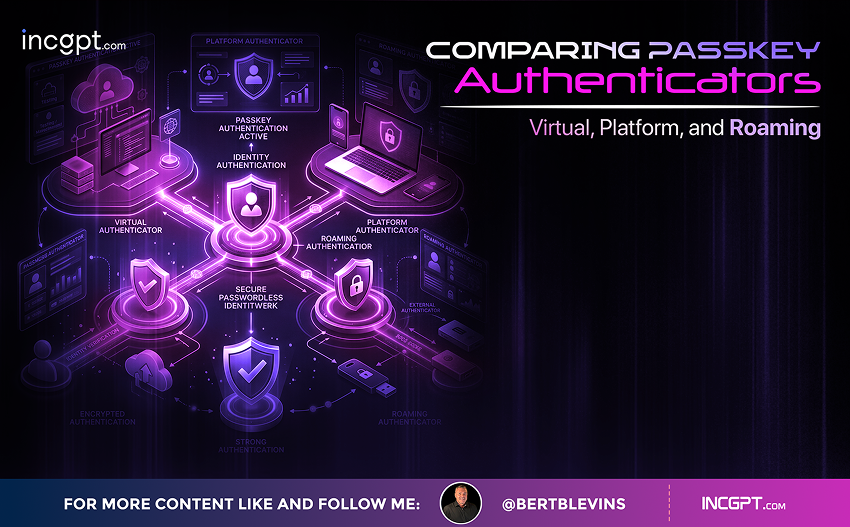
Inside every password manager is a virtual passkey authenticator.
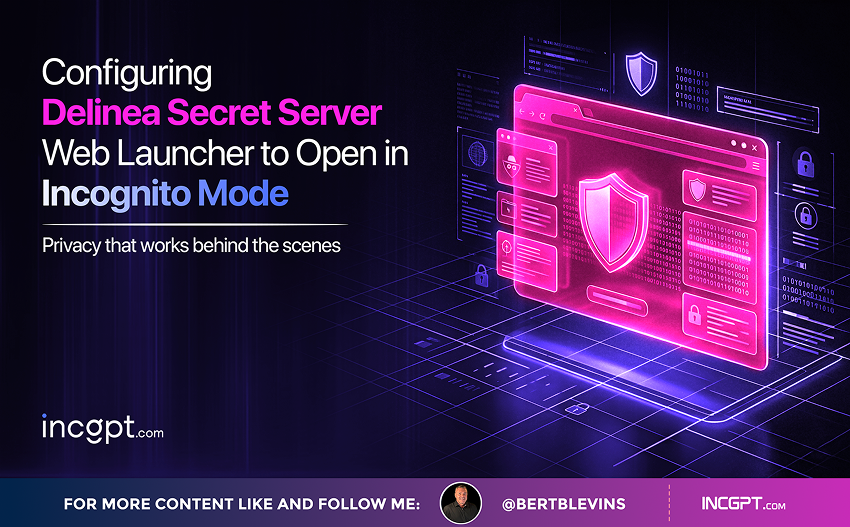
To set the Delinea Secret Server Web Launcher to open in incognito (or InPrivate) mode by default, you need to configure the “Web Launcher requires Incognito Mode” setting. This is typically done per secret, but to apply it as a default across multiple secrets, use secret policies applied to folders. Additionally, ensure your browser extension (Web Password Filler) is configured to run in private modes.
As the rush to integrate agentic AI systems into workflows accelerates, there’s a concerning oversight: autonomy brings unpredictability, and unpredictability poses security risks. If we don’t reassess how we protect these systems, we may soon find ourselves facing threats we barely comprehend, on a scale we’re ill-equipped to manage.
Corporate spending on artificial intelligence is climbing fast, and 2026 is shaping up to be the year boards stop asking whether AI works and start asking what it returns. Gartner has labeled this an inflection point, the moment organizations are expected to tie their AI initiatives directly to business strategy rather than treating them as experiments. With analysts forecasting AI budgets to swell by nearly half this year alone, the pressure on executives to show real financial results has never been sharper. That pressure is steering attention toward a particular flavor of the technology: agentic AI, the kind that does not just answer questions but takes action.
© 2026 BertBlevins.com · All Rights Reserved