AI INSIGHTS

Explore Expert
AI Articles & Insights

Explore expert insights, practical guides, emerging trends, and thoughtful perspectives on artificial intelligence and technology.
AI
INSIGHTS
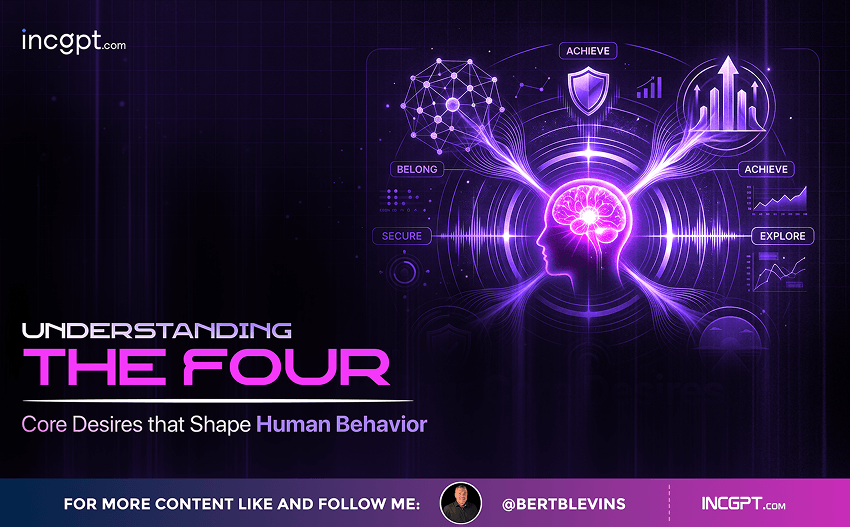
In his acceptance speech for the 1950 Nobel Prize in Literature, Bertrand Russell, a leading intellectual of the 20th century, offered a profound analysis of human motivation and desire. His insights continue to resonate today, providing a framework for understanding the forces that drive our actions. This article will explore Russell’s examination of human desires—acquisitiveness, rivalry, vanity, and the love of power—and assess their relevance in today’s society.
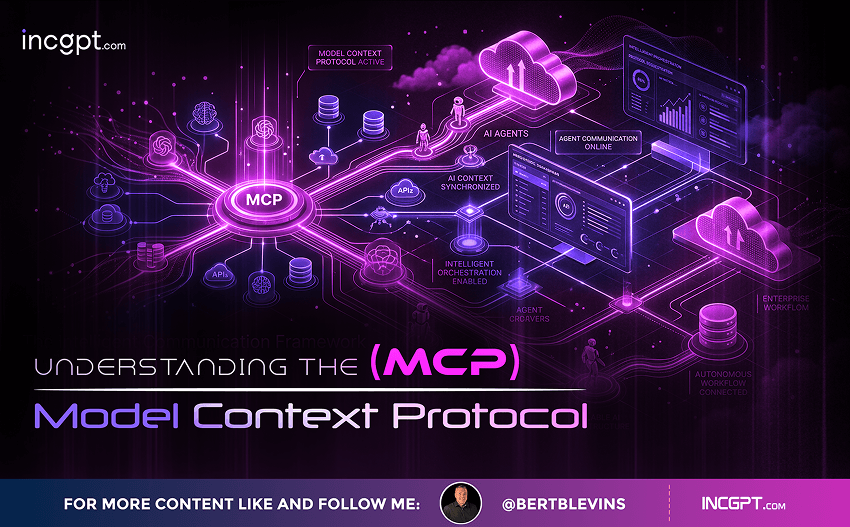
Let me explain the Model Context Protocol, or MCP for short. It’s a clever new approach designed to make it much easier to connect different AI models—like Claude, GPT-4, or Llama—with various tools, such as Slack, GitHub, or customer relationship management (CRM) systems. Think of it as a helpful bridge that simplifies these connections. MCP doesn’t replace the existing APIs (application programming interfaces) that tools already have; instead, it builds on top of them to create a more standardized way of working together.
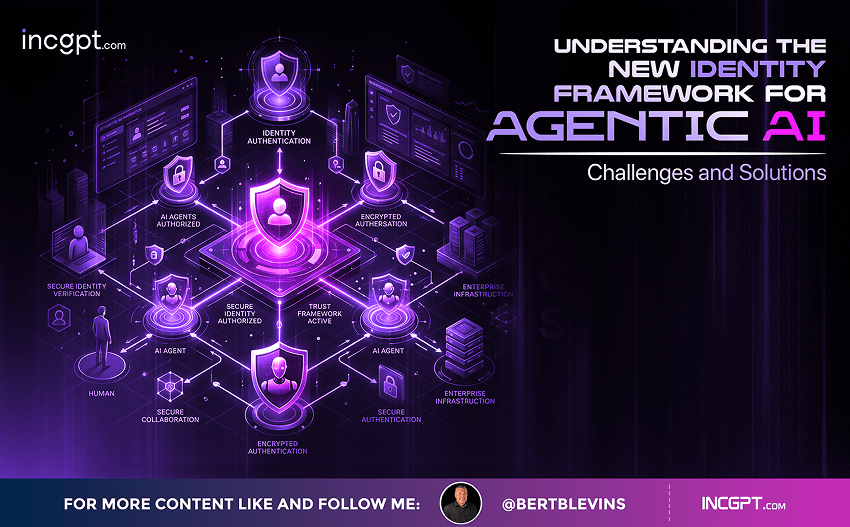
In the rapidly evolving world of artificial intelligence (AI), especially with agentic AI—AI systems capable of making decisions and performing actions autonomously—the issue of identity and security has become increasingly critical. One of the fundamental questions is: When an AI agent performs actions, such as logging into a customer relationship management (CRM) system or pulling records from a database, whose identity is it using? This question touches on several key aspects of AI integration into real-world systems, from security to authorization, and it raises significant challenges that companies need to address to ensure safe, trustworthy AI usage.
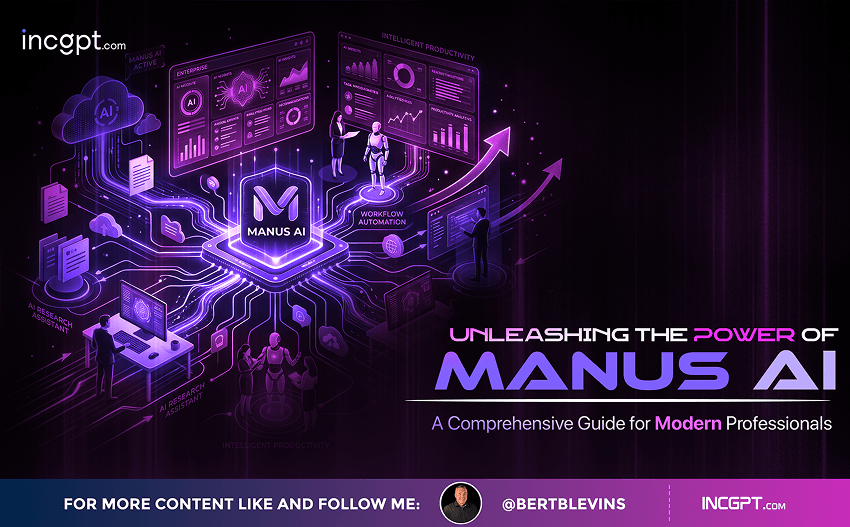
In the rapidly evolving landscape of artificial intelligence (AI), Manus AI has emerged as a versatile and robust platform designed to enhance productivity across various industries. Whether you’re a creative professional working on intricate image designs, a data analyst handling complex research queries, or someone in need of creating impactful presentations, Manus AI promises to streamline tasks and elevate your workflow efficiency. Integrated seamlessly with tools like Google Workspace and Microsoft 365, it aims to transform how professionals’ approach everyday challenges. But how well does it really deliver? This article provides a comprehensive guide to Manus AI, exploring its key features, modes of operation, and best uses.
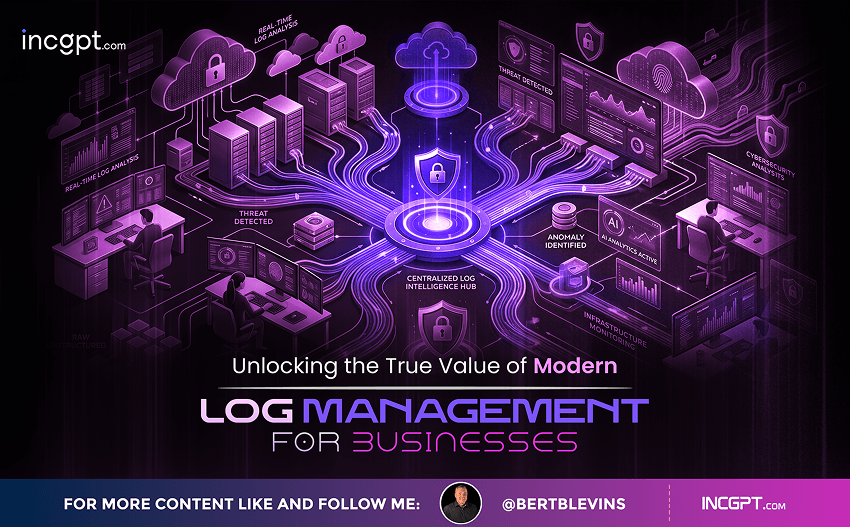
In the fast-paced, technology-driven world of business, the significance of logs often goes underappreciated. Yet, without logs, it would be almost impossible to maintain the efficiency of modern applications, cloud platforms, or customer-facing services. Logs serve as the silent drivers of reliability, performance, and security in digital systems. Despite their importance, logs remain one of the most critical yet least celebrated sources of insight in the digital era. In this article, we explore how businesses can unlock the true value of modern log management to enhance operational performance and resilience.

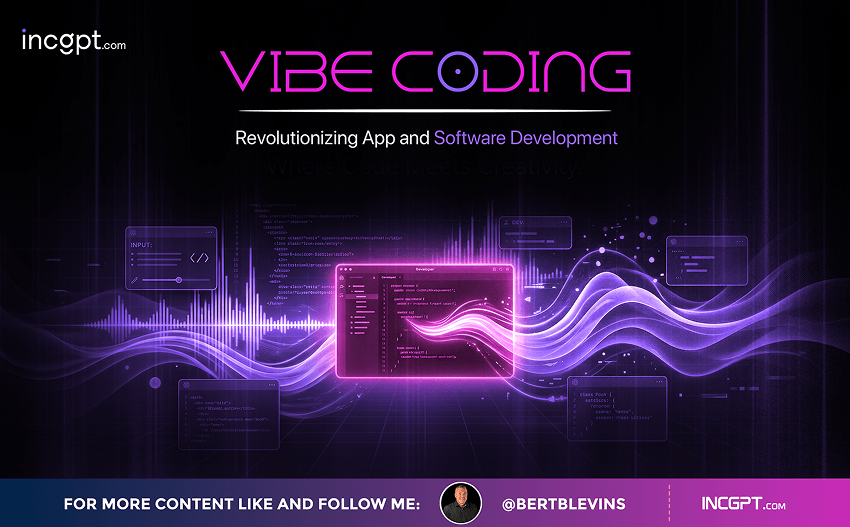
Vibe coding represents a paradigm shift in how we think about programming, making it accessible to everyone, regardless of technical skill. This new approach allows individuals to interact with AI tools to generate code, automate tasks, and even build apps with minimal input. While this practice is becoming increasingly popular, it is still evolving and faces a few hurdles, including errors in AI-generated content. Yet, it promises to democratize the software development process by offering simpler ways to create functional applications.
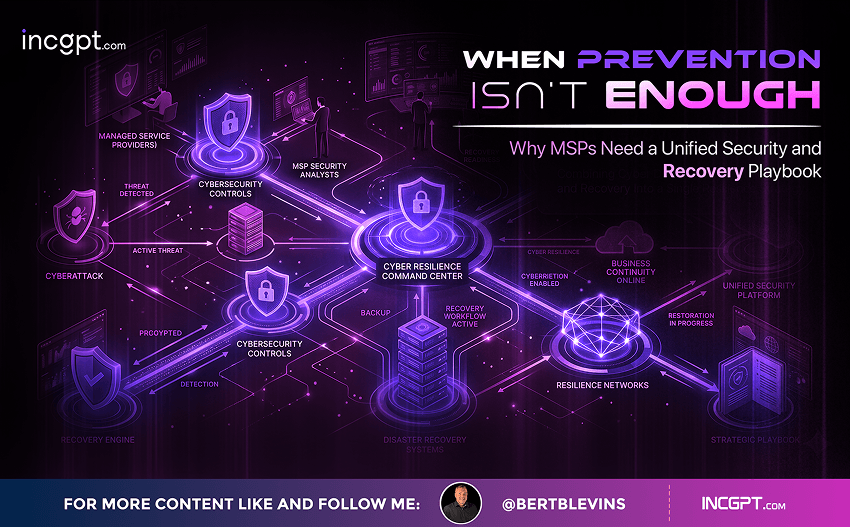
A new BleepingComputer and Kaseya webinar makes the case that the line between cybersecurity and backup has effectively disappeared, and that MSPs still treating them as separate disciplines are leaving a gap that attackers are happy to use.
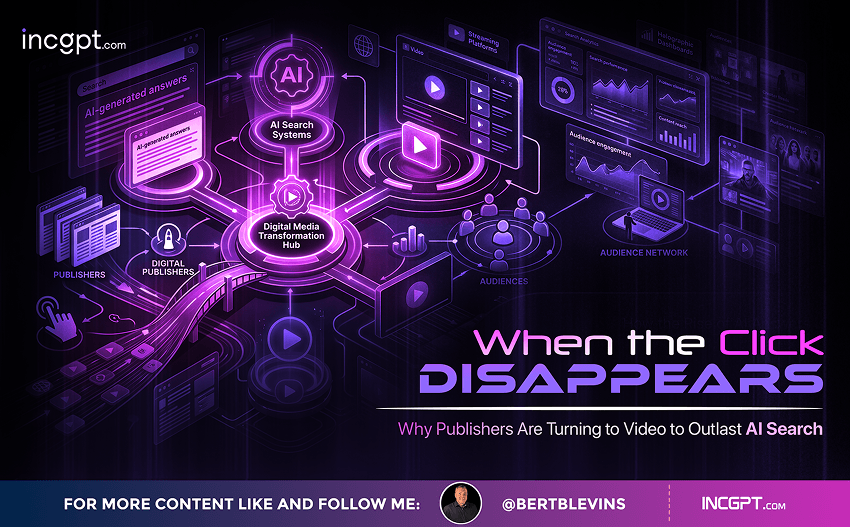
For thirty years, the click was how digital publishing made its money. A writer crafted a headline, a reader clicked through, and the advertising machinery took over from there. The model was clean, predictable, and it scaled. Then generative AI rewrote the rules of the page.
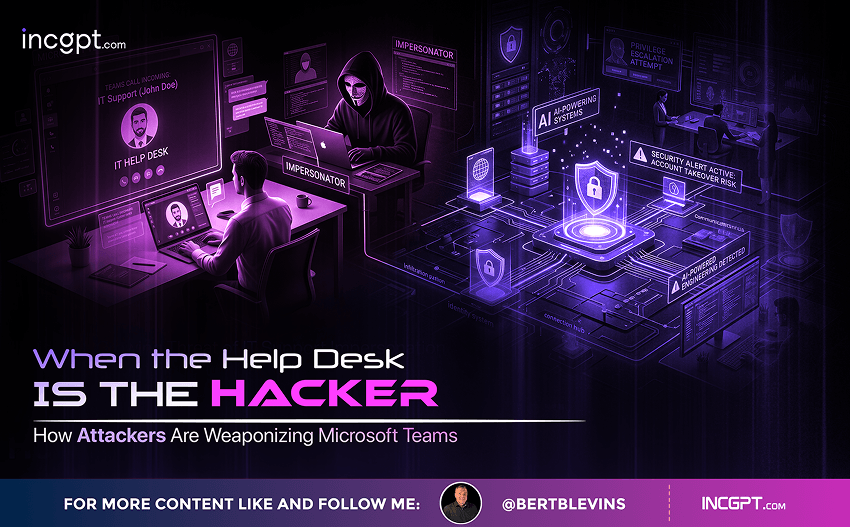
For years, cybersecurity training has taught employees to scrutinize emails for phishing attempts. Look for bad grammar. Check the sender address. Do not click suspicious links. Most workers have internalized these habits, and organizations have built layers of technical defenses around email as a result. Attackers have noticed, and they are adapting. The latest wave of social engineering attacks bypasses email entirely, targeting employees through a channel they trust implicitly: Microsoft Teams.
For several years, the artificial intelligence industry has chased a single goal with almost religious focus: build the biggest, smartest, most capable model possible. Every release was measured against the last on raw horsepower. A new system from Sakana AI quietly challenges that whole premise. It suggests the next race in AI may not be about who builds the best model at all, but about who builds the best system for managing many models at once.
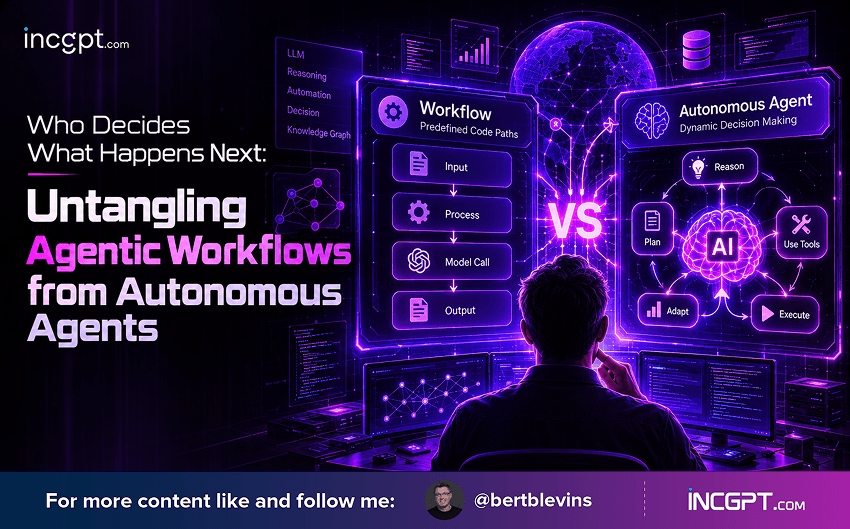
Adoption of agentic AI is accelerating fast. Deloitte projects that by 2027, as many as half of all companies using generative AI will have launched agentic pilots or proofs of concept. That wave has been big enough to stretch the word “agentic” until it covers almost anything with a model call in it, from a rigid five-step pipeline where one step happens to ask a model for a summary, to a fully self-directing system that plans its own path with no script at all.
Not long ago, I sat down to audit a mid-market B2B company’s visibility inside AI search. On paper, the site had little to apologize for. The technical setup was clean, roughly 180 blog posts had accumulated over five years, the domain carried enough authority to compete for hard queries, and organic traffic was steady, delivering qualified buyers month after month. By every traditional measure, this was a healthy site.
A new study suggests that artificial intelligence may be powerful at generating images, but it still struggles to match the originality of human creativity. While AI can produce impressive visuals, its creative ability appears to depend heavily on human guidance rather than independent imagination.
In a recent advisory, analysts from Gartner issued a warning to businesses, advising them to block all AI browsers for now. These emerging technologies, also known as agentic browsers, are transforming how users interact with the internet, search for information, and manage daily workflows. However, Gartner’s analysts caution that the security risks outweigh the benefits at this stage, making them too risky for widespread adoption.
For the better part of two years, the dominant story about artificial intelligence in the workplace has been one of replacement. Barely a week passes without another headline announcing layoffs tied to automation, and the message has been hard to miss: human roles are on the way out, and AI agents are stepping in. Spend a little time scrolling through professional networks and you might conclude that tomorrow’s company will be little more than a thin layer of managers supervising fleets of software.
In the era of constant data breaches and hacking threats, traditional passwords are increasingly seen as outdated and vulnerable. Even with password managers in place, the reliance on passwords remains a significant security risk. Enter passkeys—an innovative and much more secure alternative to passwords that is quickly gaining traction among companies and users alike. This article will explore how passkeys work, why they are more secure than passwords, the challenges involved in their adoption, and how you can start using them today.
Switching to Cloudflare, NextDNS or your own Pi-hole feels like a quick win for speed and privacy. The catch: your browser may quietly ignore every change you made.
© 2026 BertBlevins.com · All Rights Reserved