AI INSIGHTS

Explore Expert
AI Articles & Insights

Explore expert insights, practical guides, emerging trends, and thoughtful perspectives on artificial intelligence and technology.
AI
INSIGHTS
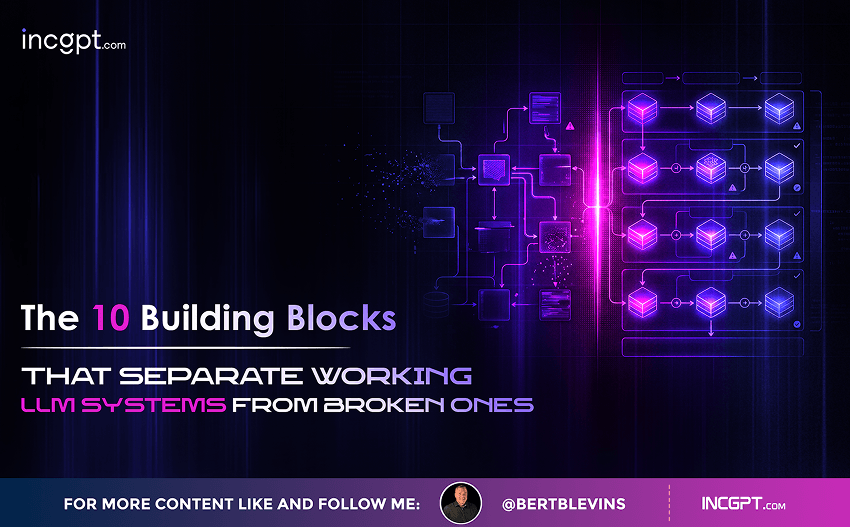
If you want to understand why some AI applications feel polished and reliable while others fall apart the moment you push them beyond a demo, the answer almost never lies in the prompt. The real difference is architectural. Modern LLM applications are not simply a question and a response. They are layered systems that manage context windows, orchestrate external tools, retrieve live data, and coordinate multi-step workflows behind every interaction. The engineers building these systems spend far more time on plumbing than on prose. Here are ten foundational concepts that define how serious LLM systems are actually constructed — and why each one matters.
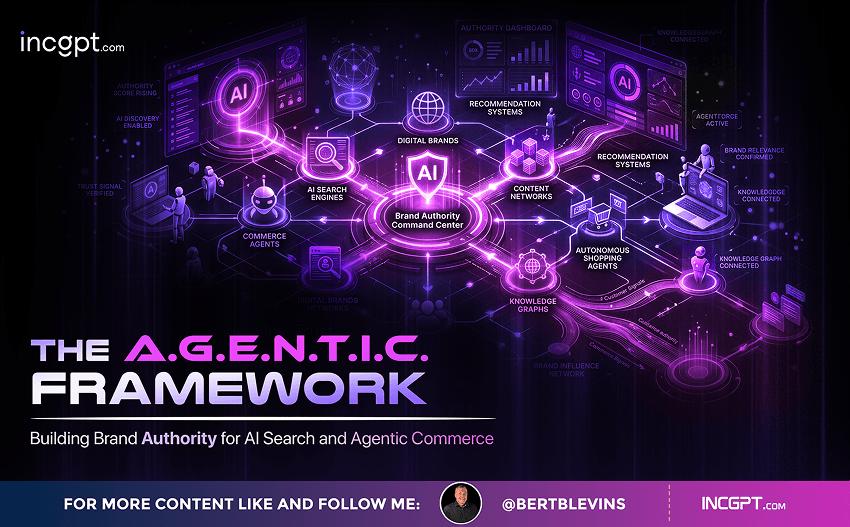
The A.G.E.N.T.I.C. Framework is a seven-stage method for making a brand visible, credible, and purchasable inside AI-driven discovery, the place where systems such as ChatGPT, Google AI, and Perplexity decide which brands to mention, recommend, and buy from on a shopper’s behalf.
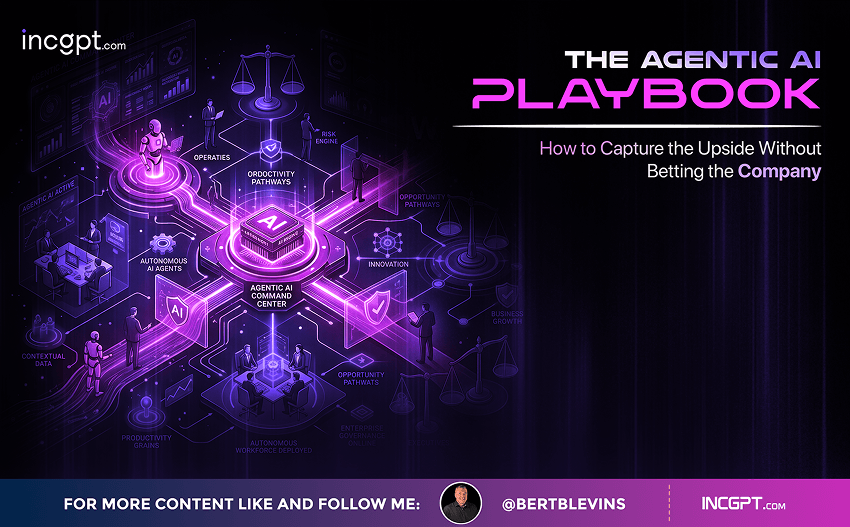
Boardrooms are being sold a tenfold growth fantasy while nearly half of agentic AI projects are quietly being killed. Here is how to separate the real opportunity from the hype, and build a strategy that actually pays.
Businesses are pouring money into agentic AI at an unprecedented rate, yet the vast majority will have nothing to show for it. The gap between ambition and execution has never been wider, and the window for getting it right is narrowing fast.
Picture a developer at a mid-sized financial firm on an ordinary Tuesday morning. She opens her AI coding assistant, points it at a repository, and asks it to refactor a module. The assistant does what it’s told. It reads the files — including a configuration file a contractor checked in weeks earlier. Buried in that file is a block of text formatted to look like a harmless comment. It isn’t a comment. It’s an instruction. And the assistant, unable to tell the difference, follows it.
Over nine months, researchers exposed how Codex, Claude Code, Copilot, and Vertex AI all share the same blind spot — runtime credentials that no identity tool is watching.
Enterprise AI is opening up entry points that legacy security stacks were never designed to cover, and most organizations are discovering that fact the hard way: deep into deployment.
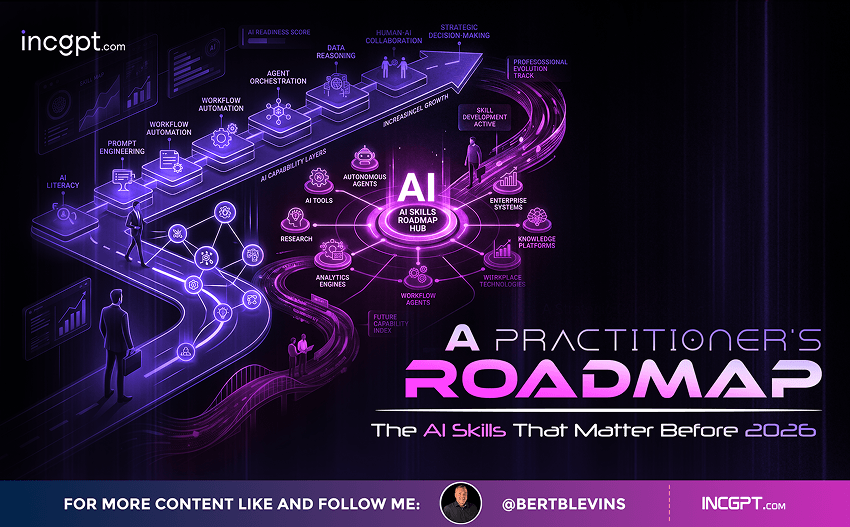
The half-life of AI literacy keeps shrinking. The skills that made someone an early adopter in 2024 are now table stakes for staying employed, and the gap between people who can use these tools and people who can build with them is widening every quarter.
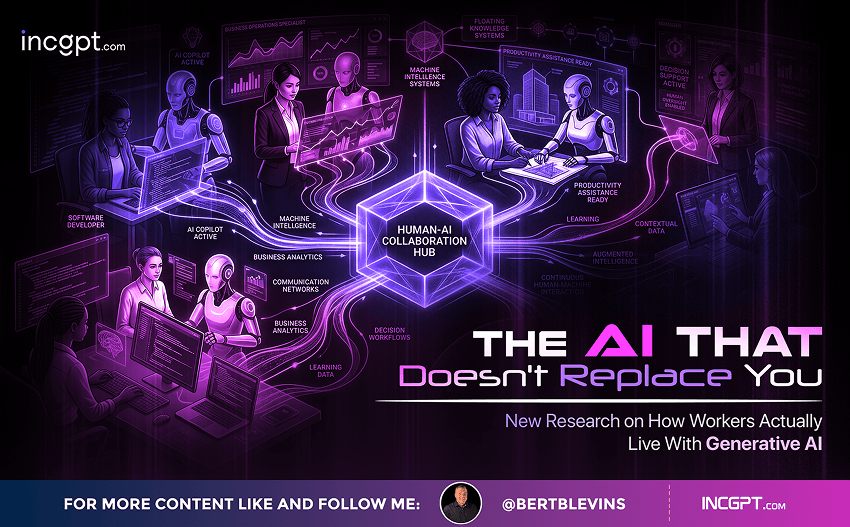
The cultural script around generative AI at work has been remarkably consistent: a machine that writes, summarizes, designs, and reasons must, on some timeline, replace the people who do those things. The fear is intuitive. The data, it turns out, is more interesting.
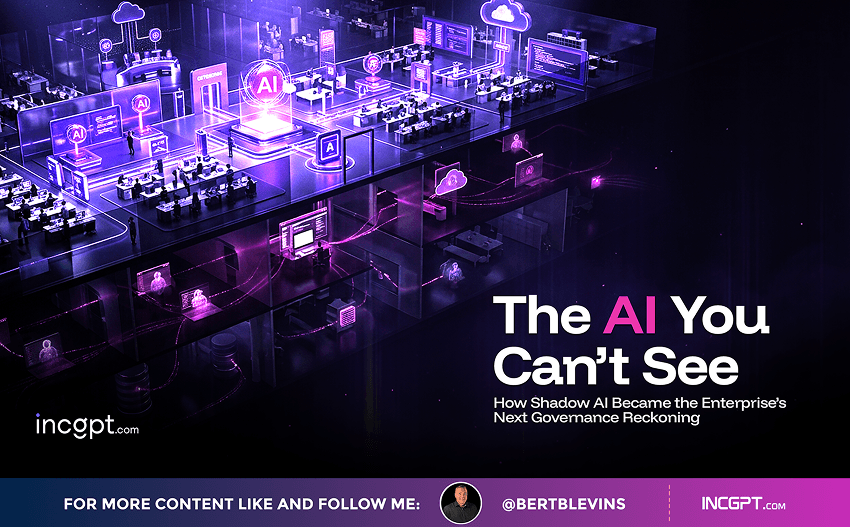
Every organization is busy talking about how to adopt artificial intelligence. Far fewer are asking a more uncomfortable question: how much AI is already running inside the business that no one in charge can actually see? That blind spot has a name now, and it is spreading fast. Shadow AI is the unsanctioned, unmonitored use of generative tools, copilots, and automation platforms by employees who simply went ahead and adopted them on their own. It is quietly becoming one of the defining risks of the AI era.
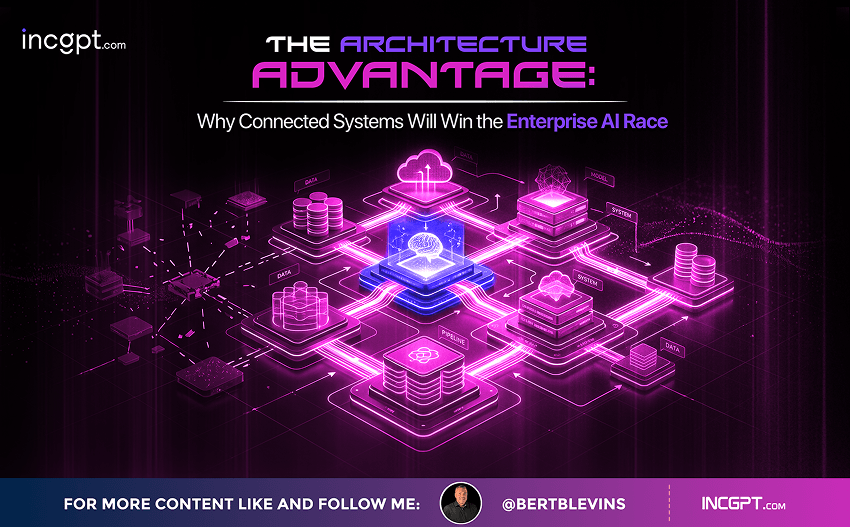
Stacking models is easy. Making them work inside a real business is the hard part nobody wants to talk about.
For decades, geopolitical disputes played out through diplomacy, economic sanctions, and military action. Today, a new front has emerged that is arguably just as destructive and far harder to contain. Cyberattacks launched by nation-state actors have become the weapon of choice for governments looking to retaliate against adversaries while maintaining plausible deniability. The latest wave of incidents tied to the escalating tensions between Iran, Israel, and the United States has made this reality impossible to ignore.
The cybersecurity industry has a spending problem — and it’s not that budgets are too small. It’s that organizations keep pouring money into automation platforms and detection tools, only to watch their security analysts continue doing the same manual work they did before the purchase order was signed.
In late March 2026, a suspected North Korean threat actor managed to inject malicious code into Axios, one of the most heavily used JavaScript libraries in the world. With an estimated 100 million weekly downloads, Axios is embedded in the infrastructure of enterprises, startups, government agencies, and countless automated build pipelines. The attack was not just alarming because of its scale. It was alarming because of how fast it unfolded and how quickly the damage spread, even after it was detected.
A year ago, the software industry was captivated by a concept called vibe coding. Developers and non-developers alike discovered they could describe what they wanted in plain language and watch an AI model produce working code in seconds. It was fast, it was exciting, and it lowered the barrier to building software to a level that would have seemed impossible just a few years earlier. It also produced an enormous volume of unreliable code that no serious enterprise could ship to production.
The Boardroom AI Divide: Agreement on Paper, Friction in Practice Why chief executives and their directors keep clashing over the speed, ownership, and payoff of artificial intelligence
When the most capable model ever built was held back from release, the message to enterprises was unmistakable: the question is not whether your AI works, but whether you can keep it inside the lines.
The corporate world has embraced a seductive narrative about artificial intelligence: let machines handle the drudgery so humans can focus on what truly matters. CEOs and technology evangelists paint a picture of a liberated workforce, freed from data entry, inbox management, and document formatting to spend their days on strategy, creativity, and relationship-building. It sounds like the obvious next step in workplace evolution. But a growing body of psychological research suggests this vision fundamentally misunderstands how the human brain actually works — and that stripping away the boring parts of work could leave employees more exhausted, less creative, and ultimately less productive than before.

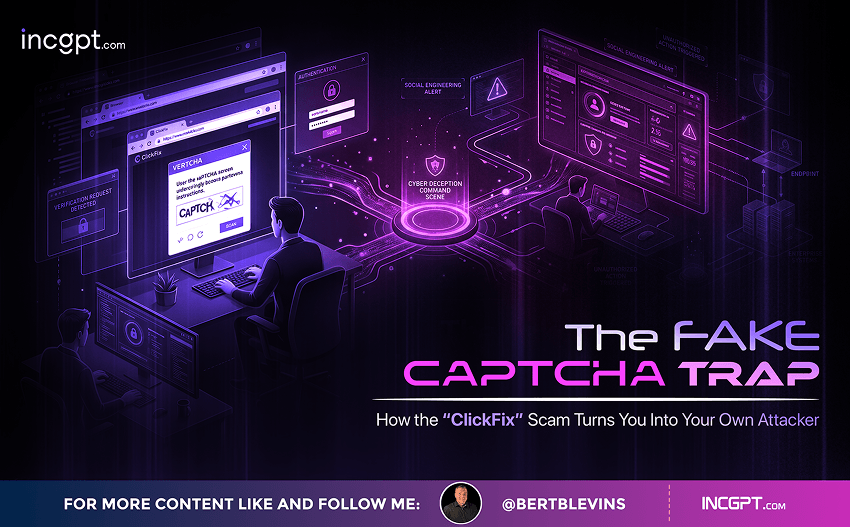
You have clicked through thousands of CAPTCHAs without a second thought. Check a box, identify a few crosswalks, prove you are human, and move on. That reflexive trust is exactly what a fast-spreading scam is counting on. Security researchers and local news outlets across the country are warning about a scheme that hijacks the humble “verify you’re human” prompt and weaponizes it — tricking victims into installing malware that can drain bank accounts, empty crypto wallets, and steal the passwords to your digital life.
© 2026 BertBlevins.com · All Rights Reserved