AI INSIGHTS

Explore Expert
AI Articles & Insights

Explore expert insights, practical guides, emerging trends, and thoughtful perspectives on artificial intelligence and technology.
AI
INSIGHTS
Google’s AI assistant just learned to build PDFs, Word files, spreadsheets, and live dashboards directly inside Drive — but the workflow still has rough edges worth understanding before you rely on it.
A look at the architectural ideas that let Anthropic’s design agents understand context, remember what matters, and produce work that actually feels finished.
Most professional conferences hand their guests the hotel Wi-Fi password and call it a day. Black Hat doesn’t. Before each of its annual gatherings in Las Vegas, London, and Singapore, the organizers build a network from scratch — switches, access points, firewalls, monitoring sensors — and stand it up inside the venue. The Network Operations Center, or NOC, then has to defend that network, in real time, against thousands of the world’s best hackers. Some are external adversaries trying their luck. Many are attendees the conference has explicitly told to attack the infrastructure as part of the curriculum.
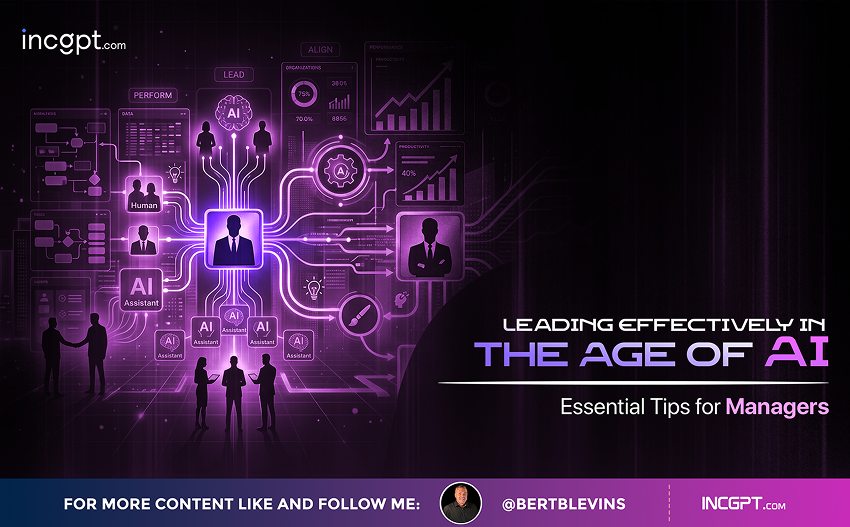
As AI continues to transform businesses and industries worldwide, leaders must adapt their management strategies to integrate this disruptive technology into their teams. From enhancing productivity to navigating employee concerns, managing AI effectively requires thoughtful approaches. In this article, we will explore essential strategies for managing teams with AI, protecting employee well-being, and ensuring that AI delivers sustainable results without causing overload.
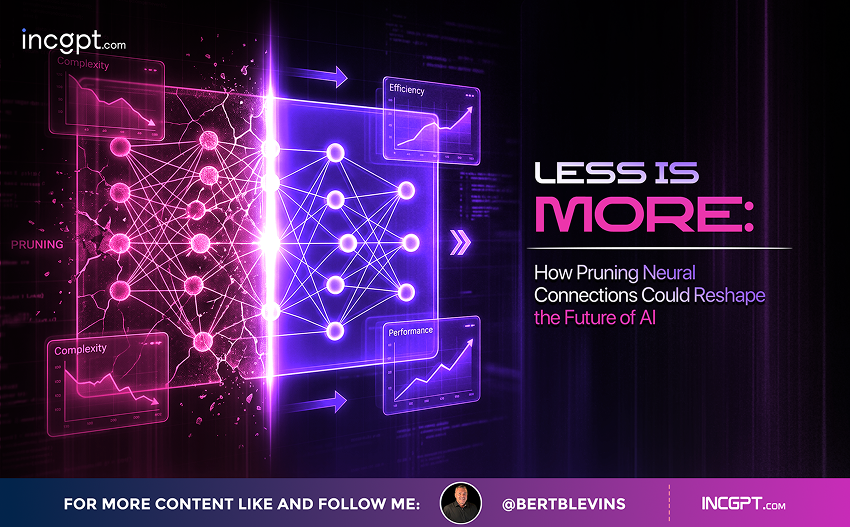
A Brain-Inspired Framework Shows That Artificial Intelligence Can Grow Smarter by Shedding Unnecessary Wiring
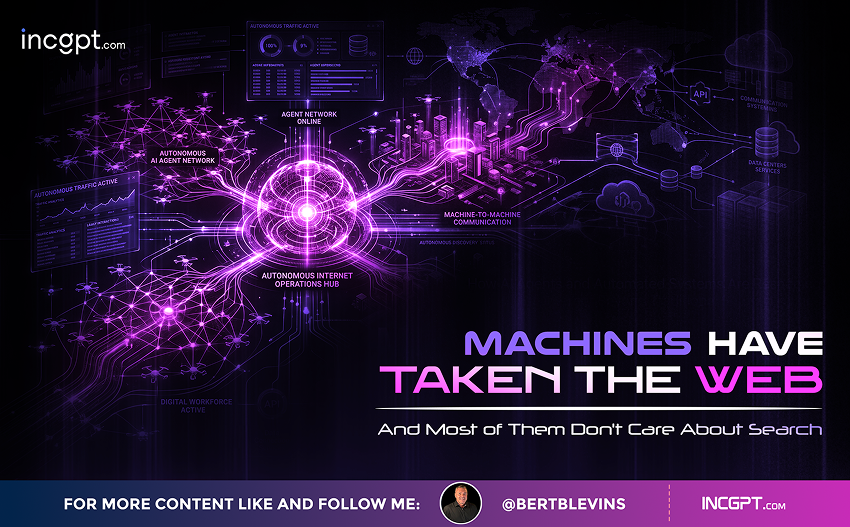
The internet just quietly passed a milestone the marketing world had been bracing for: software, not people, now generates most of the traffic moving across the web. Fresh figures from Cloudflare’s Radar platform, captured over the seven days ending June 5, 2026, put automated requests at 57.4% of all traffic hitting HTML content, leaving human visitors at 42.6%. The 50% line had been creeping closer for months, but the speed of the crossing caught even seasoned analysts off guard.
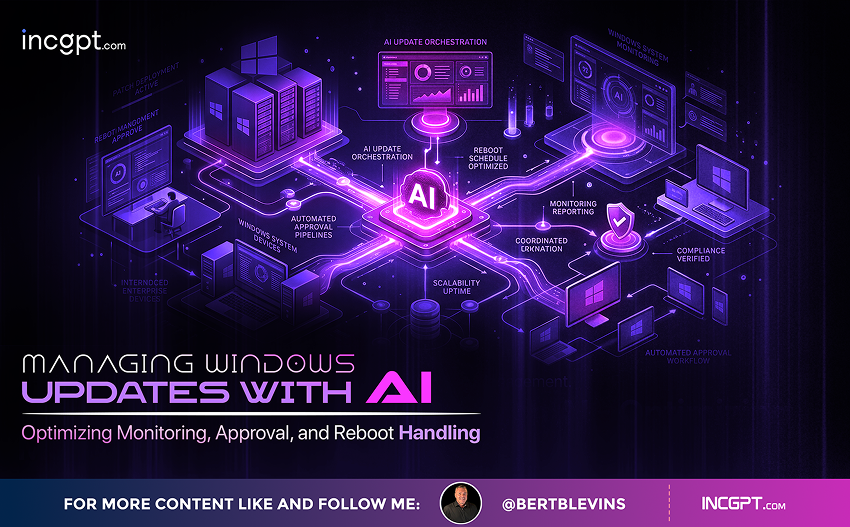
Efficient management of Windows updates is critical to maintaining security, performance, and compliance across enterprise environments. As organizations face an increasing volume of updates, integrating AI into update management can help streamline processes, enhance decision-making, and minimize disruptions. While AI does not fully automate every task, it plays a crucial role in monitoring, approving, and handling reboots. By leveraging tools like Microsoft’s Windows Autopatch with Copilot, NinjaOne, and Infraon Assets, businesses can improve their update management strategies and reduce the time and effort required to resolve issues.

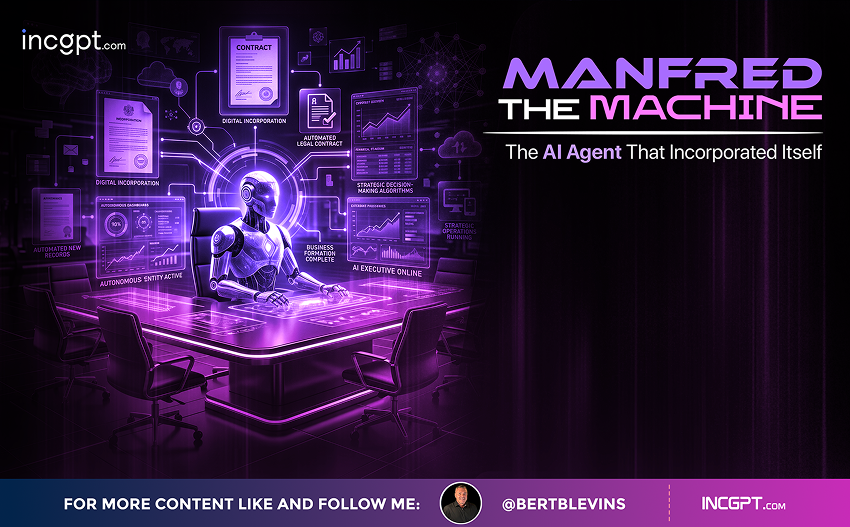
An autonomous program reportedly filed its own corporate papers, secured an EIN, opened a bank account, and set up a multi-currency crypto wallet. The line between AI tool and AI economic actor just got blurrier.
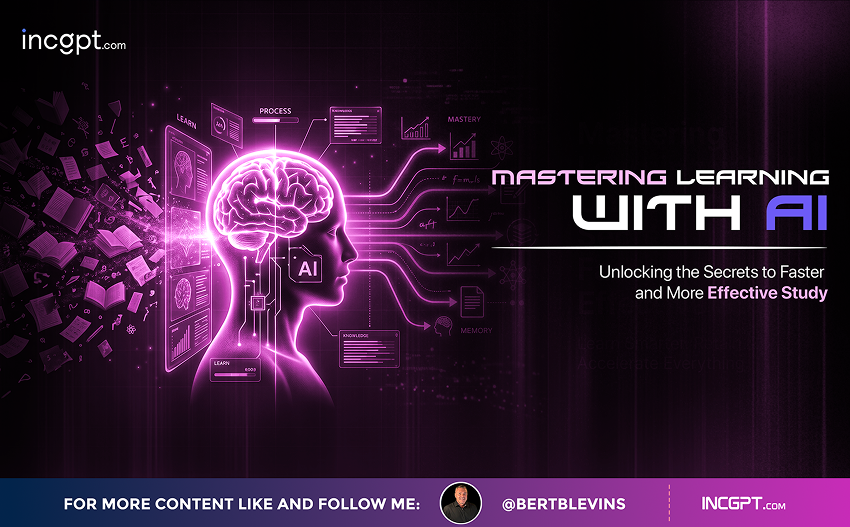
The Future of Learning with AI Artificial Intelligence (AI) has revolutionized many industries, but one of its most impactful roles is in education. As AI tools like ChatGPT and Google Gemini gain popularity, students and professionals alike are exploring how to use these technologies to enhance their learning process. However, a key challenge lies in determining when AI stops being a productivity boost and starts hindering genuine understanding. This article explores how AI can be leveraged for deeper, more efficient learning without losing the cognitive benefits of engaging directly with the material.
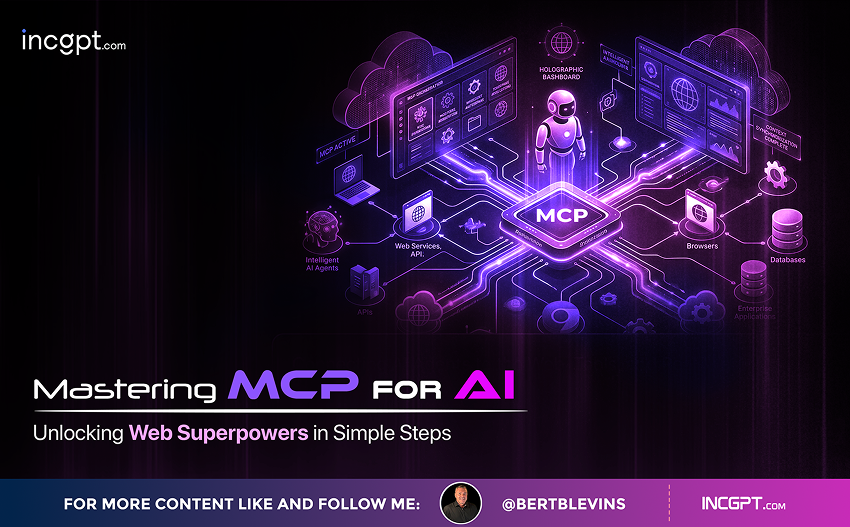
Tired of relying on OpenAI, Google, or Anthropic for data? With just a few open-source tools and the Model Context Protocol (MCP), you can equip any lightweight AI model with real-time web browsing capabilities.
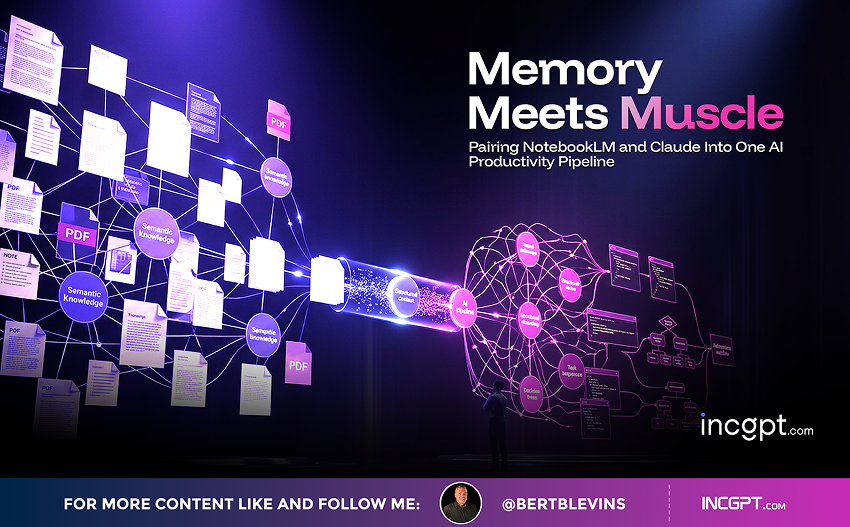
Most people treat their AI tools as separate islands. They research in one, write in another, and design somewhere else, copying and pasting between them and hoping nothing gets lost in the shuffle. Pairing NotebookLM with Claude flips that habit on its head. Used together, they form a single, structured pipeline where one tool remembers and the other executes, and the result is a noticeable jump in both speed and accuracy.
Buried inside a crowded slate of developer announcements at Build this year, Microsoft introduced what may be its most far-reaching platform decision of the event: Microsoft Execution Containers, or MXC. It is a policy-driven execution layer baked directly into Windows, and it sets out to answer the question every security team has been quietly dreading — how do you let an autonomous AI agent run loose on a corporate machine without handing it the keys to everything?
In an industry rapidly advancing in artificial intelligence, Microsoft has set itself apart with the introduction of three new foundational AI models. Announced by the tech giant’s Microsoft AI (MAI) research lab, these models aim to challenge existing AI powerhouses, expanding the company’s footprint in multimodal AI models that handle text, voice, and images. As Microsoft strengthens its AI capabilities, these innovations are positioned to give it a competitive edge in the growing AI space.
With autonomous agents quietly multiplying inside corporate networks, Microsoft is shipping the governance layer it argues every enterprise will soon need.
Microsoft’s Copilot AI has struggled to gain significant traction in the highly competitive artificial intelligence (AI) market, with its market share lagging far behind industry leaders like ChatGPT, Google’s Gemini, and other emerging players. According to recent data from analytics company SimilarWeb, Copilot commands just 1.1% of the market share for web traffic, a relatively small figure compared to its more successful counterparts.
For the past two years, Microsoft has aggressively positioned Copilot as the backbone of modern productivity. The AI assistant is embedded into Windows, Edge, Word, Excel, Outlook, Teams, and virtually every corner of the Microsoft ecosystem. The company’s marketing has left little room for ambiguity — Copilot is your intelligent co-worker, the tool that will reshape how you get things done. Billions of dollars in infrastructure, advertising, and product development have been poured into making this vision a reality.
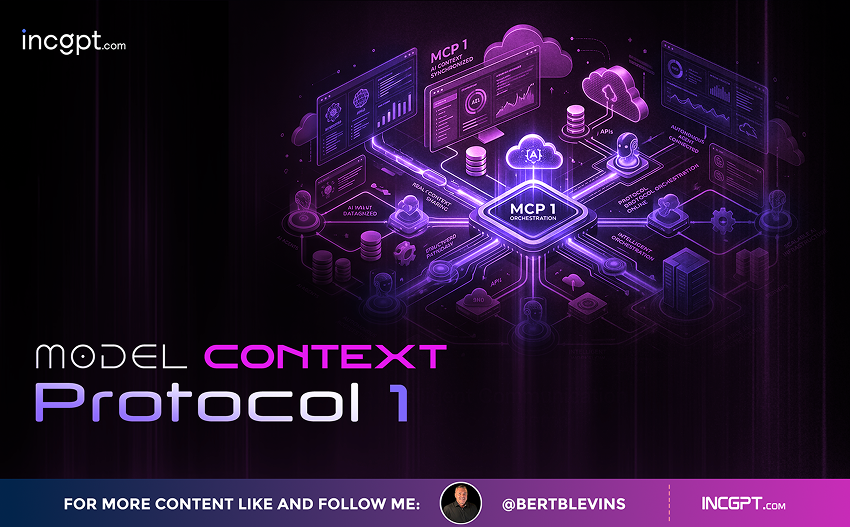
The Model Context Protocol (MCP) serves as an innovative solution to simplify the complex process of integrating multiple AI models with a variety of tools. It doesn’t replace APIs but rather enhances the integration process by providing a standardized approach. Instead of managing individual custom integrations for each model and tool combination (the N x M situation), MCP reduces it to a simpler N + M model, where:
Running a small language model directly on a smartphone turned out to be more capable, more private, and more practical than years of cloud chatbots ever delivered.
As the digital landscape rapidly evolves, real estate firms are confronted with a shifting paradigm: the rise of AI-driven search. The traditional SEO playbooks of the past are quickly becoming outdated. If your firm is still relying on strategies that were effective five years ago, you’re already being overlooked by the very buyers and sellers who are integral to your success. This new AI-powered search era is redefining the game, and those who adapt early will dominate the future of real estate marketing.
© 2026 BertBlevins.com · All Rights Reserved